41 months’ imprisonment in “Administration of Justice” case
Z.Qorraj/RTKlive
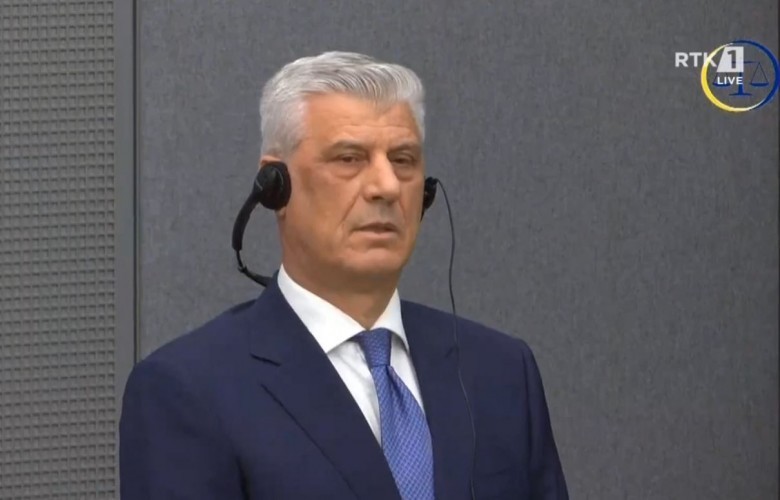
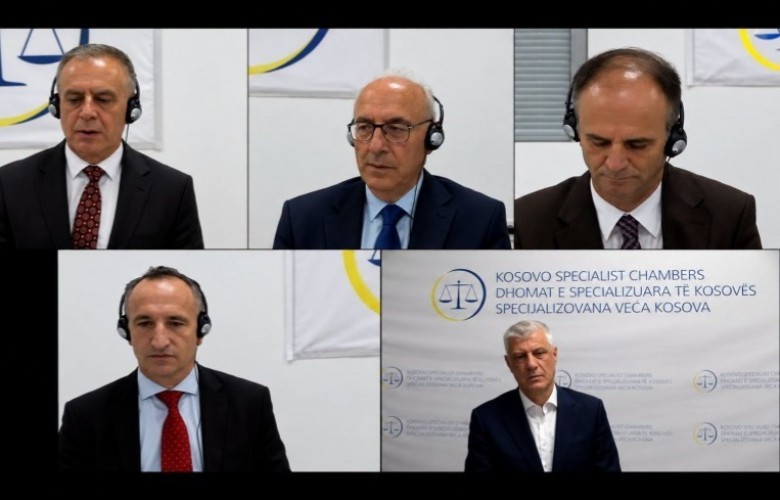
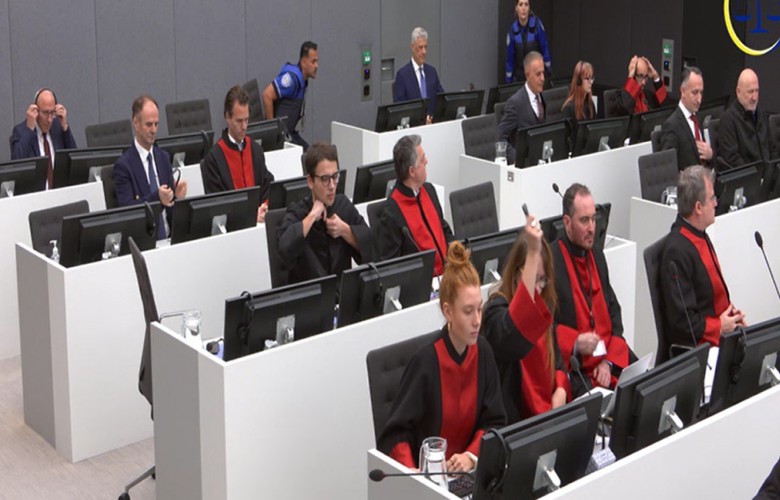
The Kosovo Specialist Chambers (KSC) in The Hague have delivered their verdict in the case against former Kosovo President Hashim Thaçi and four other defendants, concerning offenses against the administration of justice and public order.
Presiding Judge Christopher Gosnell found Thaçi guilty of attempting to obstruct officials in the performance of their duties, violating the confidentiality of proceedings and contempt of court. He was sentenced to 17 months in prison, separately from any sentence imposed in his war crimes case.
Former Kosovo Intelligence Agency chief Bashkim Smakaj and Fadil Fazliu were each sentenced to 12 months in prison after being found guilty of attempting to obstruct officials and aiding in contempt of court.
However, since both had already spent more time in pre-trial detention than the duration of their sentences, the court considered their sentences served and ordered their release.
Former Justice Minister Hajredin Kuçi was found guilty of one count of contempt of court and received a one-year suspended prison sentence. The sentence will be considered served provided he does not commit another criminal offense under Kosovo's Criminal Code within one year.
Meanwhile, the court acquitted former Malisheva Mayor Isni Kilaj of all charges and will release him.
What did the court establish?
According to the KSC, the case concerns visits Thaçi made to the detention center in 2023, during which he allegedly shared confidential witness information and gave instructions about their testimony in the war crimes proceedings.
Regarding Fazliu, the court found that during a visit on July 2, 2023, Thaçi gave him instructions to relay to prosecution witness Rrustem Mustafa. Fazliu subsequently conveyed those instructions to the witness on July 3.
In Smakaj's case, the court established that during a visit on October 7, 2023, Thaçi provided him with written instructions concerning the testimony of Bislim Zyrapi. Digital evidence and documents seized from Smakaj's residence were also considered in the judgment.
Regarding Kilaj, the court found that Thaçi had provided him with detailed instructions concerning the testimony of a protected witness, along with copies of the witness's previous statements.
However, the court found no evidence that Kilaj had taken steps to convey those instructions to the witness or that the legal requirements for establishing joint action had been met. He was therefore acquitted.
As for Kuçi, the court found that he had sent a message to Rrustem Mustafa, violating a court order prohibiting contact with prosecution witnesses.
Nevertheless, the judge found insufficient evidence to establish that Kuçi had participated in an agreement to contact three witnesses regarding their testimony.