Lajcak strongly against border changes in the Balkans
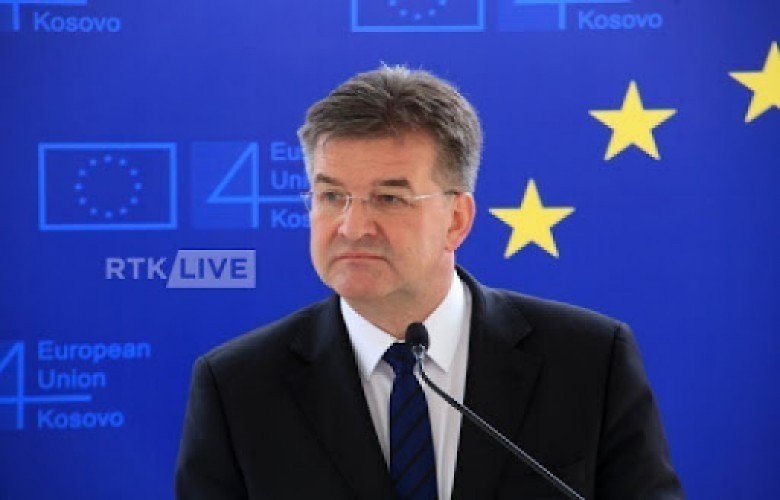
EU Special Representative for the Prishtina-Belgrade dialogue, Miroslav Lajcak, said on Tuesday that he is strongly against potential border changes in the Balkans, adding that they can provoke war in the region.
“I deeply disagree with border changes. I think it is extremely dangerous and I also believe that this idea provokes war. If we implement this idea, we would be fulfilling the dreams of Milosevic and Tudjman and this is not something that we want to do. We strongly reject this.”
Lajcak said he cannot speculate who stands behind the recent non-papers but said that he is against ideas presented in those documents.
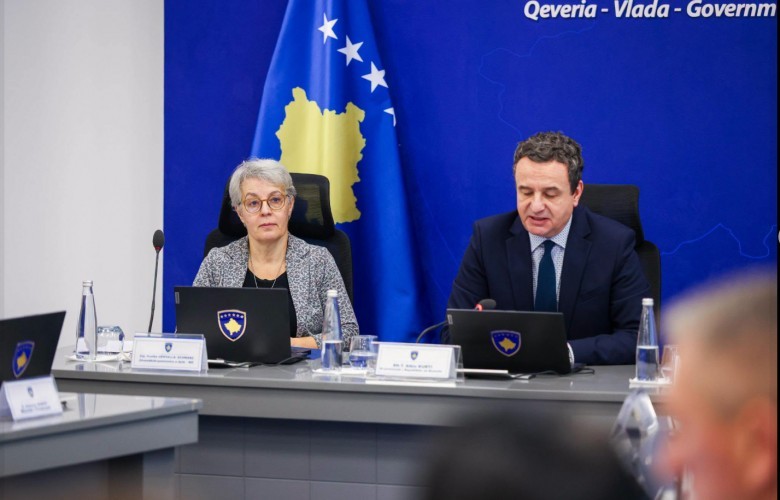
Lajcak commented on priorities set out by Kosovo Prime Minister Albin Kurti, saying that he agrees employment and justice are priorities but also added that they are closely related to the dialogue.
“I have served as minister in my country for 10 years and learned that you don’t choose the priorities, the priorities choose you. The same goes for the dialogue. Dialogue is a priority for every government in Kosovo and Serbia because their future and their plans in the economic and social area are linked to the European agenda and the road toward the European agenda is through dialogue. Dialogue cannot be something that can wait. It is present in everything that you do. If for the Kurti government, employment and justice are priorities – employment implies economic progress. Can you imagine economic progress without regional cooperation and isn’t regional cooperation linked to EU integration and isn’t EU integration clearly linked to the dialogue,” he asked.
“We fully support employment and justice, but we are explaining to our colleagues in Kosovo that the success of the agenda is through the dialogue”.
Commenting on reciprocity, which in his opinion is more of an election detail, Lajcak said that the EU-facilitated dialogue is the only platform where Kosovo and Serbia are treated equally in all aspects. “Kosovo and Serbia are equal parties and they benefit equally from the process or suffer equally from the lack of progress,” he said.