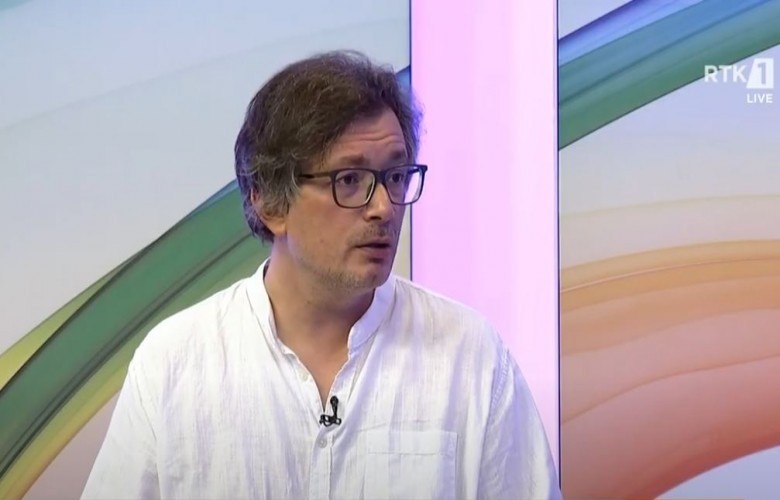
Salihu: RTK Song Festival spotlighting Kosovo’s music and tradition
Z.Qorraj/RTKlive
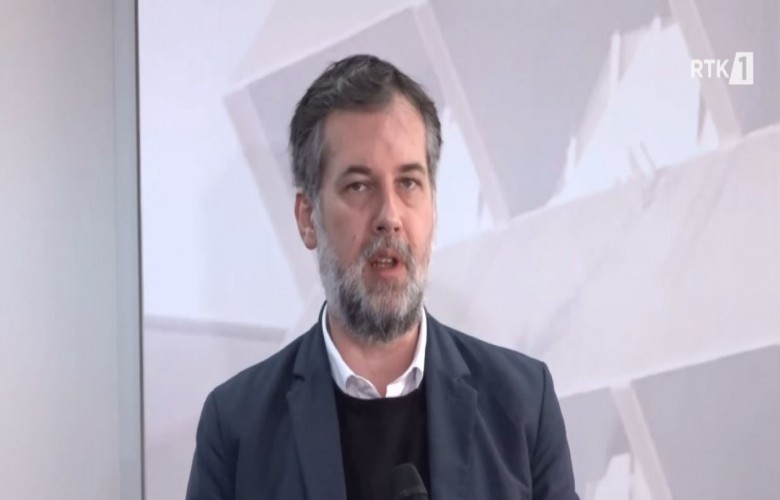
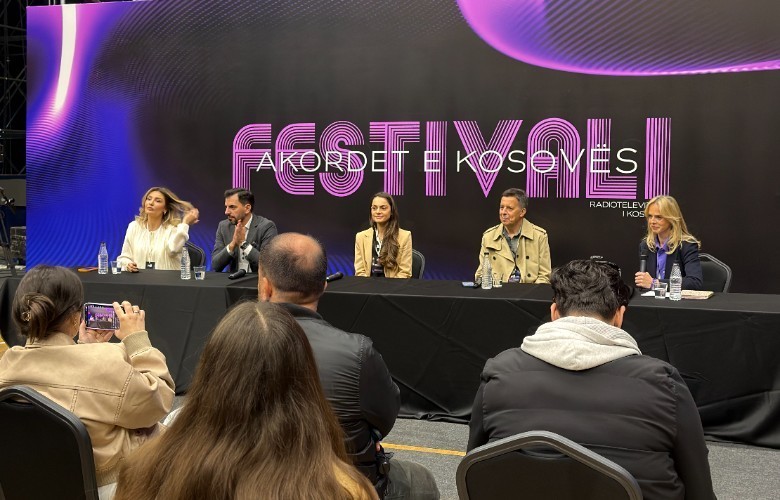
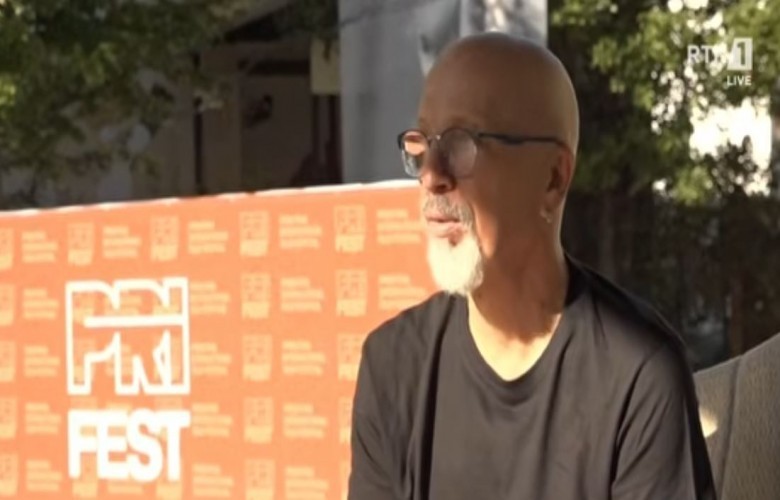
On the eve of the third edition of the RTK Song Festival, scriptwriter Genc Salihu described the event as a major step toward giving music the place it deserves in Kosovo’s cultural scene.
Speaking to the RTK morning program, Salihu emphasized that the festival aims to create a space where songs and artists take center stage, offering audiences an experience that the country has not had before. For Salihu, the festival is not just a competition but also a television show, an artistic spectacle, and a revival of a long-missing tradition following the “Kosovo Accords.”
“The most important thing about this festival is that it is first and foremost about the song; creating a space for contestants to feel comfortable and for the audience to focus on them,” he said.
Each edition of the festival, Salihu noted, carries its own aesthetic and message, carefully curated by the production team. This year’s theme, he said, is personal and designed to “create bridges with our past, which we may have somewhat forgotten, and present it artistically in the Kosovo we live in today.”
Salihu also pointed to the lack of similar festivals in recent years, referencing the historical significance of the Kosova Chords festival.
“We had the Kosova Accords, which were the main central event for a very long time. When Kosovo became a functional country, I was always upset that the Chords were not revived,” he said.
While details on performances such as “The Accords” and “Our Old Kosovo” remain under wraps, Salihu expressed confidence in collaborating with composer Florent Boshnjaku, who is in his third year with the festival.
“He is an amazing professional, and I believe we will produce a very good festival,” he said.
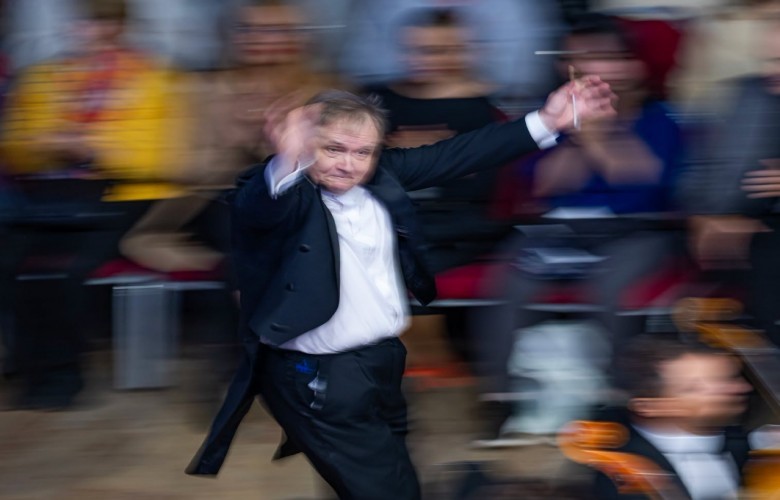
Salihu explained that the festival follows a Mediterranean-style format, similar to events in Croatia and Italy, featuring a collection of competing songs performed with a full orchestra, a large stage, and moderators. However, he stressed the importance of incorporating a local flavor, giving the festival a unique Kosovan identity.
“The audience will experience something completely new for Kosovo: dressing up, attending a hall, and enjoying a high-level artistic performance,” Salihu said. Reflecting on the second edition, he recalled being “overcome with joy and melancholy at the experience.”
He also highlighted the live nature of the performances as a defining element of the festival.
“Everything is live-sung and played there. That is why we passed the test in the first edition, the second was great, and now we continue with the third,” he concluded.