Vitia: Demand for breast cancer drug doubled, tender failed
Z.Qorraj/RTKlive
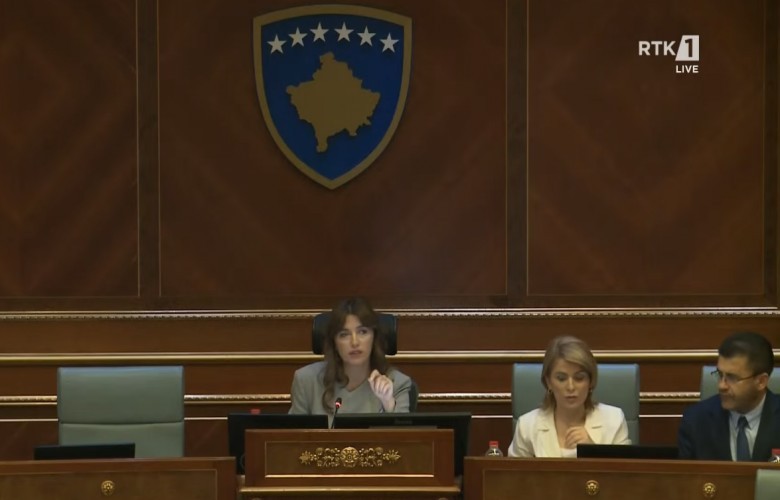
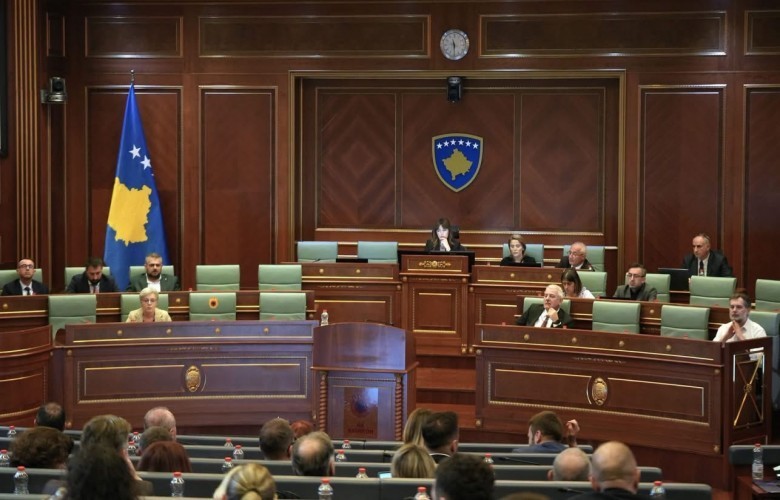
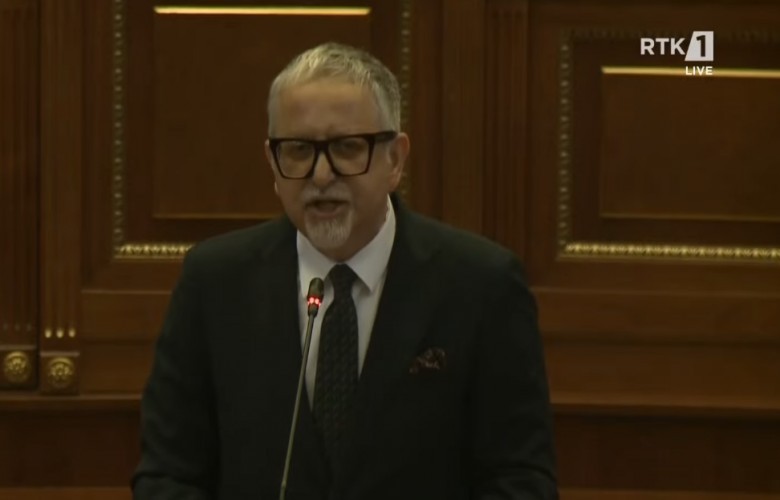
Health Minister Arben Vitia has explained the circumstances behind delays in the supply of palbociclib, a medicine used to treat breast cancer, during an interpellation in the Kosovo Assembly following the death of a patient who had reportedly gone four months without therapy.
Vitia said Kosovo included the medicine on its Essential Medicines List for the first time in 2025, after which the Ministry of Health began preparing to secure its supply.
Because it was newly listed, initial planning was based on the number of requests received by the Oncology Clinic, with supplies planned for 40 patients.
He said the Ministry requested additional funding from the Ministry of Finance, which approved the request. Following the necessary procedures, a supply contract was signed on July 17, and the medicine arrived at the University Clinical Centre of Kosovo's (UCCK) central pharmacy in mid-August.
However, demand increased significantly as patients who had previously purchased the medicine privately began requesting it through the Oncology Clinic.
Vitia said the initial contract was exhausted after reaching 130 percent of its planned value within nine months, citing legal provisions that allow such an increase.
"Due to the doubling of requests for this medicine, the contract reached 130 percent within the legal possibilities provided by law. What was planned to cover one year was exhausted in just nine months because of the increased number of patients requesting the medicine," he said.
He added that launching a new procurement procedure was impossible without budget approval, referring to the political deadlock that had affected the supply of essential medicines.
Vitia said the first tender failed because no companies submitted bids.
"Immediately after the failure of the first tender, the procedure was reopened through accelerated procedures. On July 30, 2026, the contract was signed, and deliveries to the central pharmacy began on August 18," he said.
The minister acknowledged that in 2026, the supply of medicines for the Oncology Clinic had been below the levels recorded in 2024 and 2025.
He attributed the shortages not only to increased demand for palbociclib but also to several other factors, including medicines lacking marketing authorization, procurement delays, failed tenders due to the absence of bidders and, in some cases, prices exceeding those set in the official medicines price list.