Opposition criticizes healthcare shortages and rising drug prices
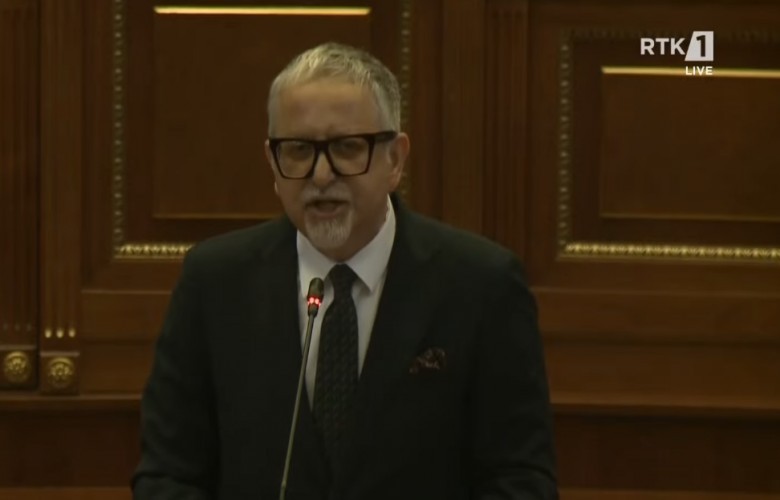
Z.Qorraj/RTKlive
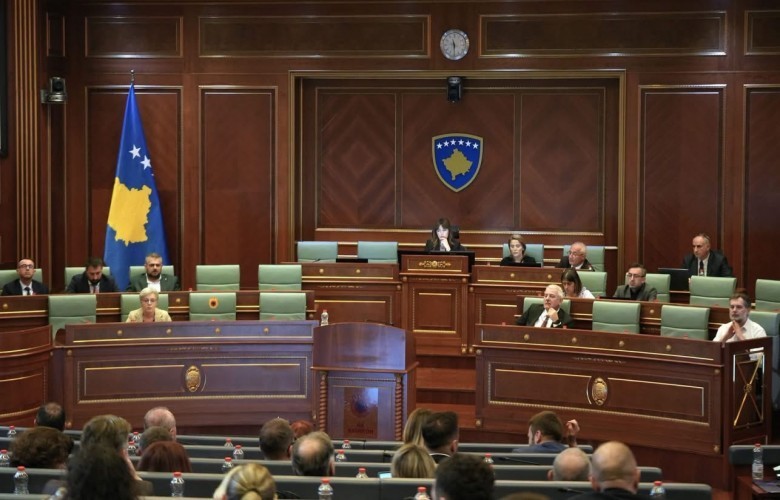
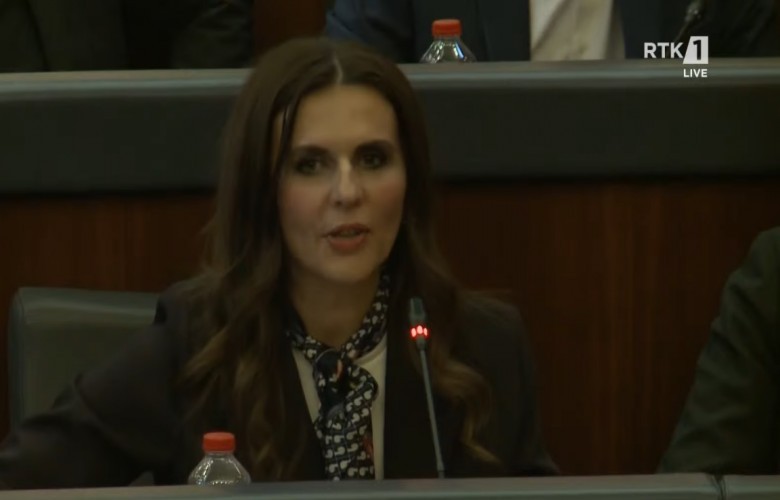
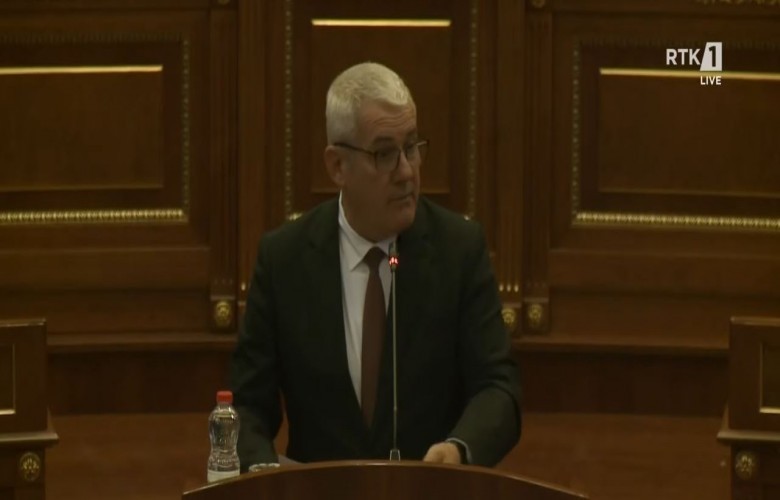
An interpellation on the state of Kosovo’s healthcare system has sparked debate in the Assembly, with opposition MPs criticizing medicine shortages, long waiting lists and rising procurement costs, while demanding greater accountability from health institutions.
Ismaili calls for dismissal of ShSKUK Director, cites 364% price increase
Democratic Party of Kosovo (PDK) MP Uran Ismaili called for the dismissal of the director of the University Clinical Hospital and Clinical Services of Kosovo (ShSKUK), Elvir Aziz, accusing the institution of mismanagement and criticizing significant increases in medicine prices.
“The director of ShSKUK should be removed. Otherwise, silence, protection and neglect are making you responsible as well,” Ismaili said.
He described the situation at ShSKUK as catastrophic and urged MPs to demand accountability beyond cases that attract public attention following patients’ deaths.
Ismaili also presented three examples of procurement prices that had increased significantly between the initiation of procedures and the signing of contracts.
According to his figures, one item increased from €0.59 to €0.89, another from €0.19 to €0.59, while a third rose from €7.53 to €34.92 within four months. He described the last increase as 364 percent.
Reshitaj raises concerns over waiting lists and Oncology drug shortages
LDK MP Albena Reshitaj said the government could not claim to be implementing sustainable reforms while fundamental problems in the healthcare system remained unresolved.
She said that, by the end of 2025, a total of 12,019 patients were on waiting lists across 60 clinics at the University Clinical Centre of Kosovo (UCCK).
Reshitaj also raised concerns about shortages of essential oncology medicines, saying that patients with metastatic cancer had gone without treatment for three months in July. She said the therapy costs between €1,500 and €1,900 for a three-month cycle.
“Even the director of Oncology has stated that, in some cases, treatment was delayed by seven to nine weeks. These could be decisive weeks for patients’ lives,” she said.
Kadrijaj: Citizens forced to choose between medicine and food
Alliance for the Future of Kosovo (AAK) MP Time Kadrijaj criticized the government over medicine shortages, long waiting times and the high cost of treatment.
She also called for the implementation of the Law on Health Insurance, arguing that it would help reduce the financial burden on patients.
Kadrijaj recalled the words of a woman who had died after struggling to obtain medication: “Will I live, will I buy medicine? Will I live, will I buy medicine?”
She said many patients were forced to borrow money to afford treatment, citing immunotherapy, which she said costs around €4,000 per dose in Kosovo.
Kadrijaj referred to the case of an unemployed single mother who needs four doses, amounting to €16,000.
“Does that single mother, who is unemployed, have the financial means to pay €16,000 because immunotherapy is unavailable?” she asked.
Vitia attributes shortages to increased demand and failed tender
Health Minister Arben Vitia said the shortage of essential medicines at the Oncology Clinic resulted from a doubling in demand and the failure of a procurement procedure.
He explained that the existing contract had reached 130 percent of its planned annual value within nine months because of the increased number of patients requesting the medication.
“The possibility of opening a new procedure was impossible without budget approval,” Vitia said.
Jashari: Patients should not have to fight for treatment
The initiator of the interpellation, PDK MP Sala Jashari, said that forcing patients to struggle to obtain essential medication amounted to state irresponsibility.
“No family should be forced to go into debt, sell assets or seek help from others to secure treatment that the state is obligated to provide,” she said.
“When a citizen is forced to struggle to obtain the therapy they need to live, we are dealing with state irresponsibility,” Jashari added.