Murati: Financial integrity protects public money
Z.Qorraj/RTKlive
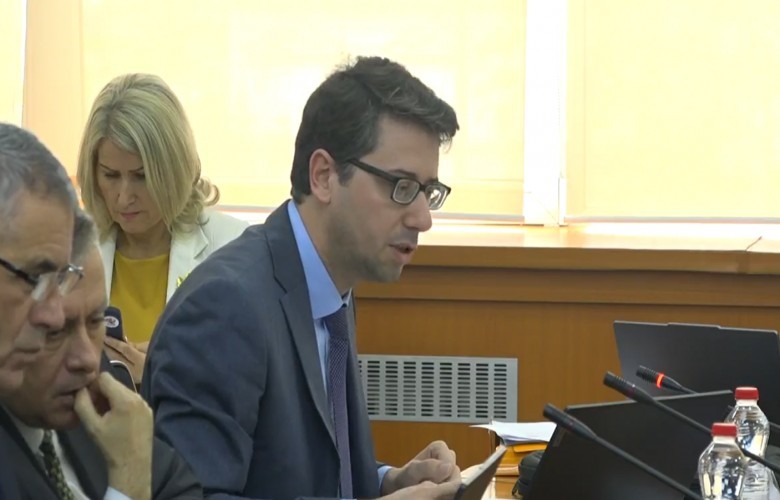
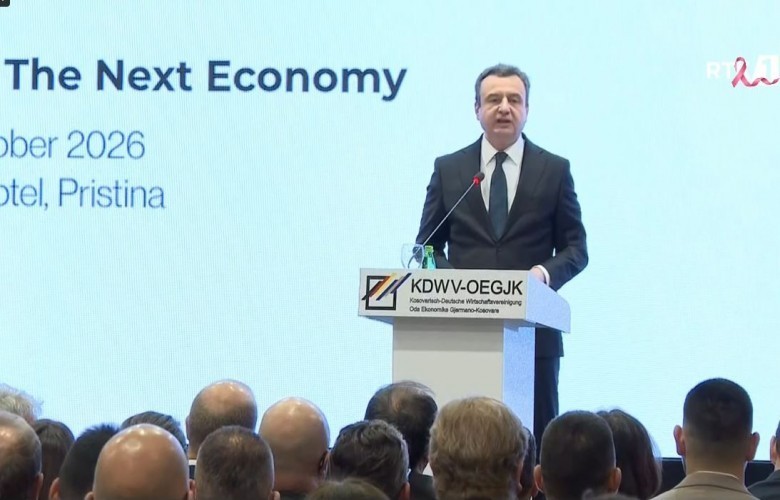
Kosovo’s Minister of Finance, Hekuran Murati, has stressed the importance of combating illicit finance to protect public funds, ensure fair competition, and attract foreign investment.
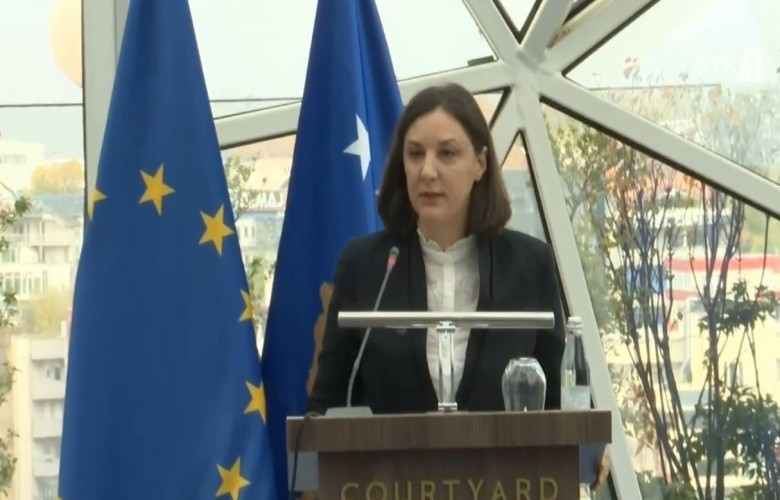
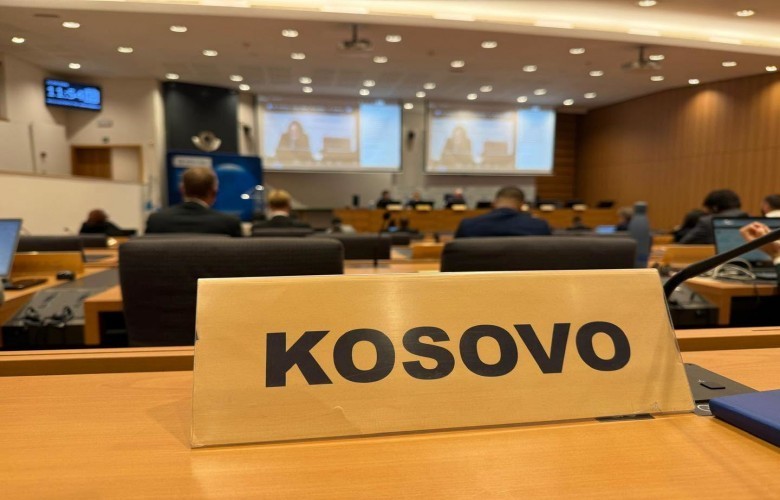
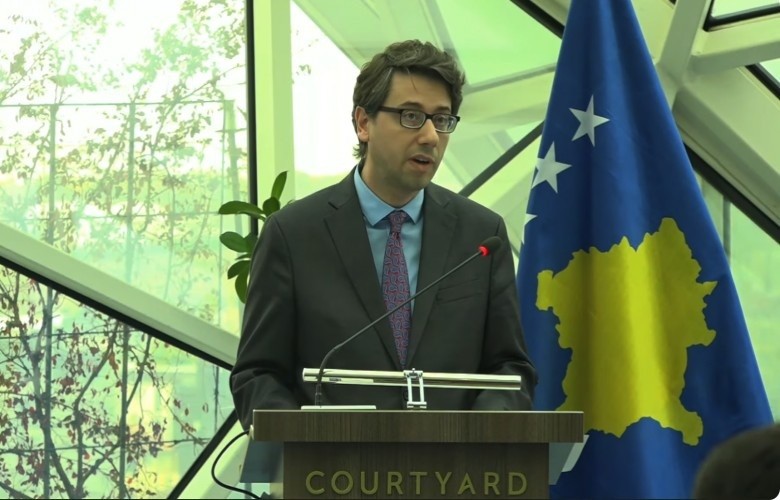
Murati spoke at an event organized by the Ministry of Finance within the Berlin Process, under the theme “Beyond Compliance – Building Sustainable Economies through Financial Integrity.”
He thanked Germany for its continued support of the Berlin Process, describing it as an important platform for bringing the Western Balkans closer together.
“When we hear the term ‘illicit finance’, most of us think of crime, enforcement and compliance. Yes, all of these are important. But I will approach the issue a little differently, from the economic perspective, focusing on people and businesses,” Murati said.
He warned that illicit financial flows distort competition, push legitimate businesses out of the market and reduce budget revenues used to finance public services and infrastructure.
“Illegal money creates unfair competition, drives out market participants and deprives the budget of revenues used to build schools, hospitals and roads. This gives an advantage to those who do not respect the rules,” he said.
Murati emphasized that combating illicit finance is also essential for maintaining public trust in institutions, ensuring tax compliance and creating a business environment that attracts foreign investment and generates jobs.
Outlining Kosovo’s measures, he said the government had lowered the threshold for cash payments between businesses from €500 to €300. For business-to-consumer transactions, the cash payment limit is €2,000, with payments above that amount required to go through transactions monitored by licensed financial institutions.
He also highlighted efforts to strengthen the regulation and licensing of cryptocurrency operators, saying these measures help make digital payments and financial transactions more traceable and transparent.
Murati stressed that combating illicit finance requires cross-border cooperation, particularly among Western Balkan countries, as illegal financial flows can easily move between jurisdictions.
He called for closer collaboration among financial intelligence units, law enforcement agencies, prosecutors, academics and European and international partners.
“Ultimately, financial integrity is not just about regulatory compliance. It is about protecting public money, ensuring a level playing field and building an economy that citizens trust,” Murati concluded.
Meanwhile, Montenegro’s ambassador to Kosovo, Bernard Çobaj, highlighted the importance of regional cooperation and financial integrity within the Berlin Process.
Çobaj described the initiative as a platform for advancing a shared vision among Western Balkan countries and welcomed the region’s institutional developments, as well as preparations for the upcoming Berlin Process summit in Montenegro.
Addressing the event’s theme, he said financial integrity was an important part of regional dialogue, emphasizing the need to protect businesses, strengthen public trust and safeguard public resources.
“Taking steps alone is not enough. We need institutional capacity, public trust and a collective stance to make progress,” Çobaj said.
He added that financial integrity should extend beyond regulatory compliance and supervision to encompass fair competition, the protection of investments and sustainable safeguards against the misuse of money.
Çobaj also praised the Berlin Process for bringing together regional institutions, experts and private-sector representatives to develop practical solutions.
“Financial integrity is more than a technical issue; it is an economic imperative and a prerequisite for the European future we are building,” he concluded.