Economic growth yet to transform Kosovo`s economy
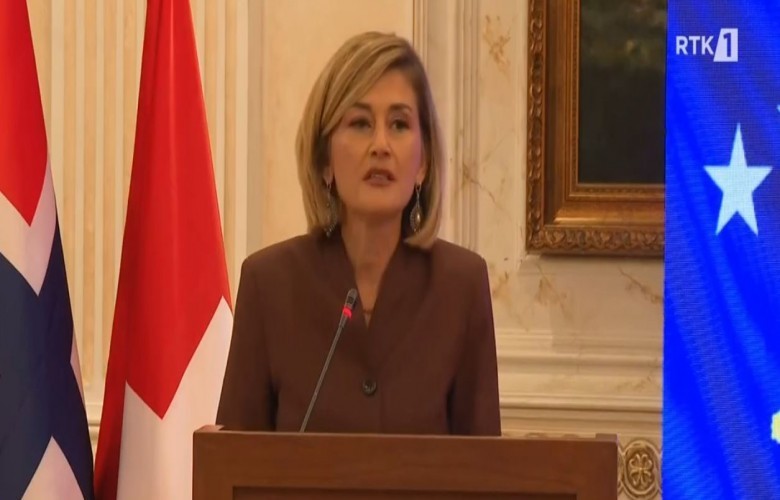
Z.Qorraj/RTKlive
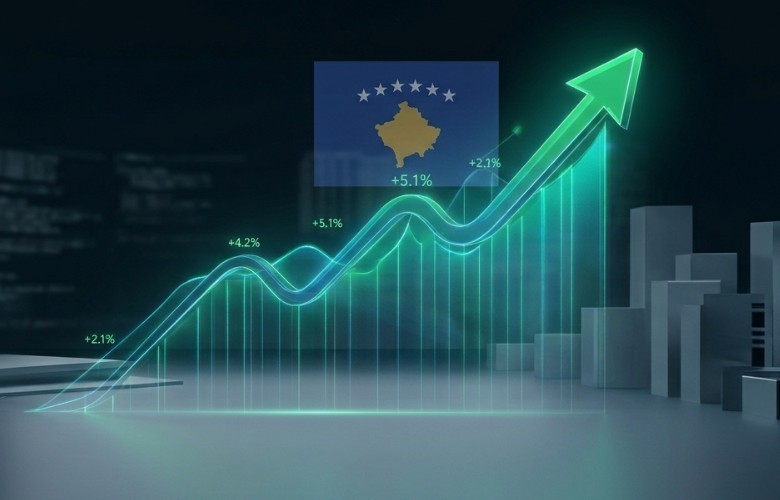
The World Bank forecasts that Kosovo`s economy will grow by 3.6 percent in 2026. Still, it warns that significant structural challenges remain, including high dependence on imports, weak goods exports, and consumption driven largely by remittances.
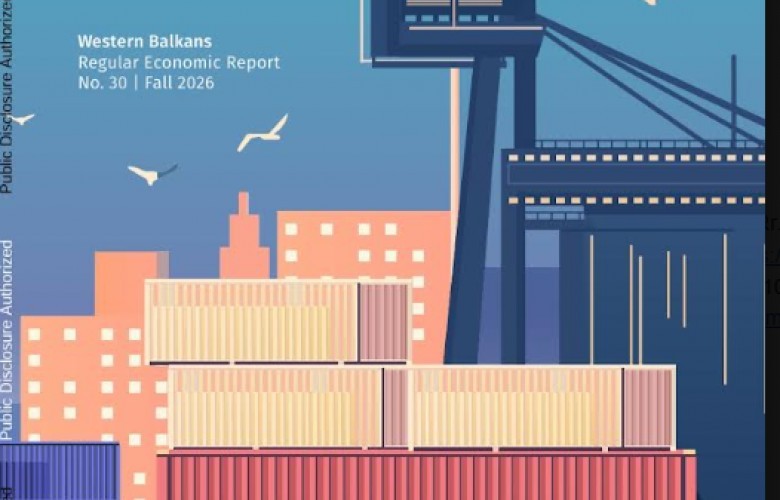
According to the World Bank's latest Western Balkans report, published in October 2026, Kosovo's economy continues to expand and has demonstrated resilience to external shocks. However, economic growth has yet to translate into significant structural transformation.
The report notes that Kosovo's economy grew by 5.4 percent in the first quarter of 2026, while annual growth is projected at 3.6 percent. The World Bank forecasts growth of 3.8 percent in 2027 and 3.9 percent in 2028.
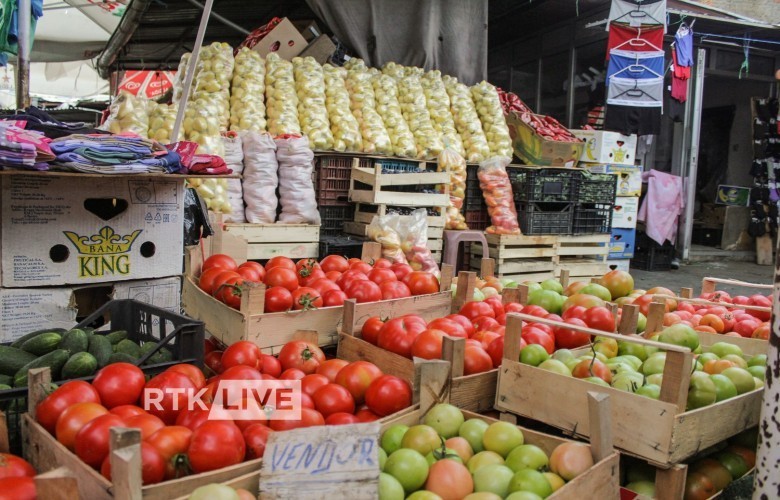
Despite these positive figures, imports continue to dominate economic activity, while exports of goods remain weak. Remittances also play a significant role in supporting domestic consumption.
The report further points out that some reforms linked to European Union funds were not completed within the required deadlines.
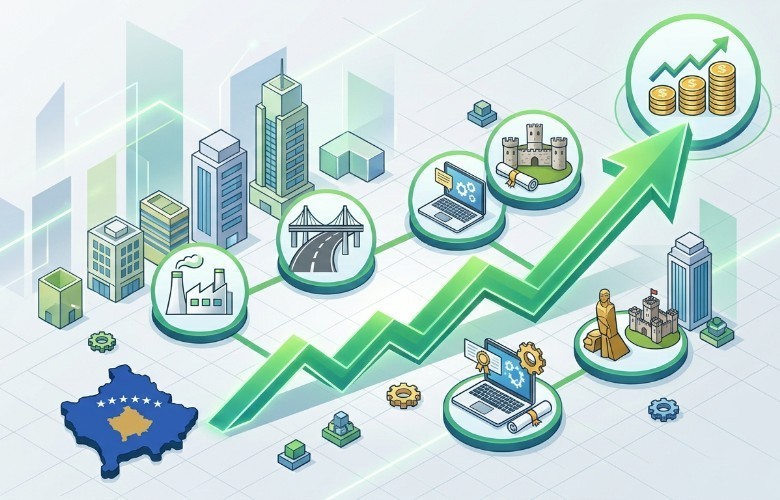
The World Bank's assessment highlights the difference between economic growth and sustainable development, noting that higher GDP, consumption, investment and wages do not necessarily translate into a stronger manufacturing sector, competitive exports or productivity-based employment.
For Kosovo, the key challenge remains turning economic growth into lasting structural changes by strengthening domestic production, attracting productive investment, expanding exports and creating sustainable jobs.
While growth remains positive, the central question is whether the current economic model can gradually become less dependent on consumption and more focused on production and competitiveness.