Opposition calls for Energy Strategy review, Kurti insists on lignite
Z.Qorraj/RTKlive
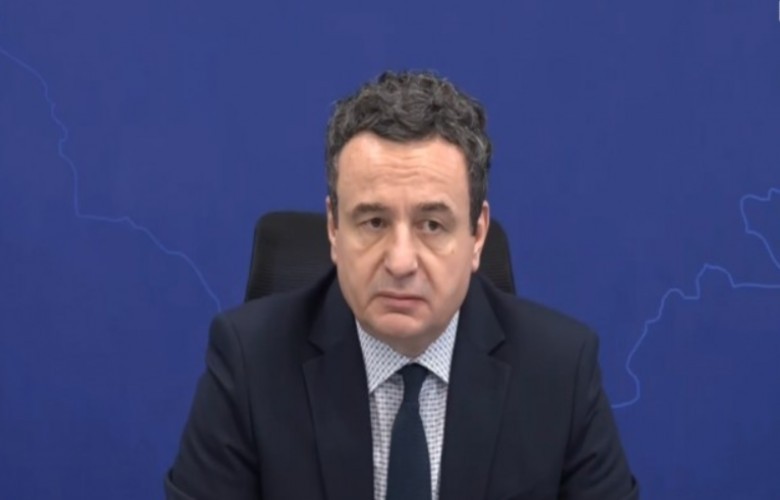
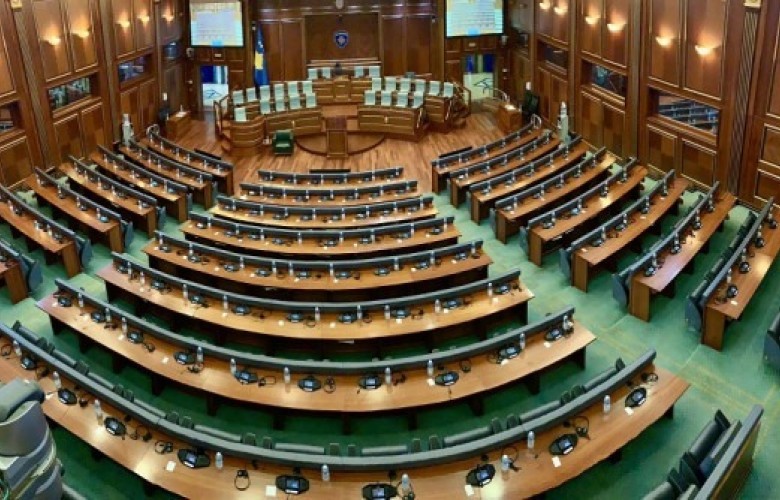
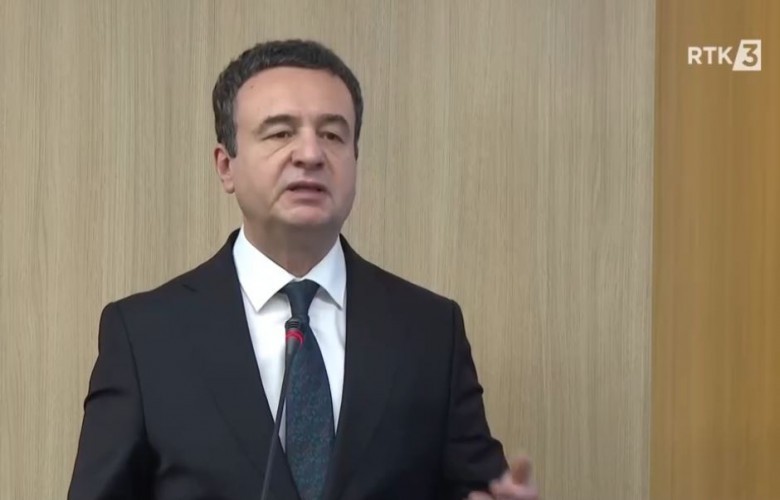
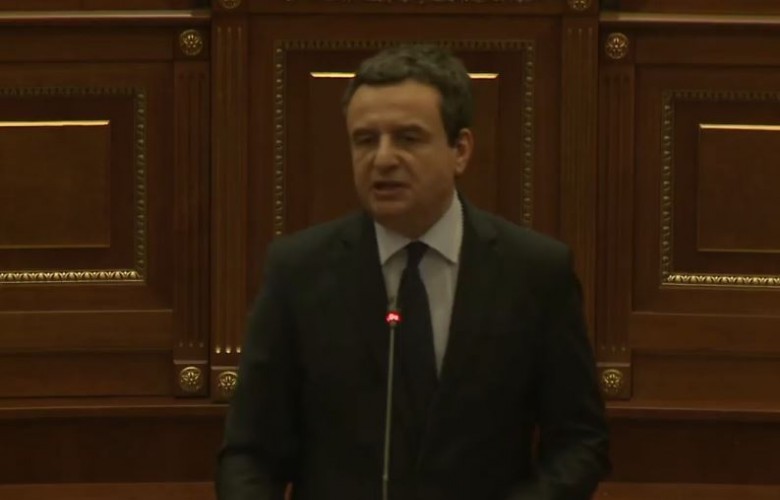
Kosovo will continue using lignite for electricity production alongside renewable energy sources, energy efficiency measures and cogeneration, Prime Minister Albin Kurti said during a debate in the Kosovo Assembly.
Kurti also addressed the possibility of using liquefied natural gas (LNG) through Albania's Vlora terminal, saying Kosovo already has an agreement with Albania on its use.
He said that international and geopolitical developments over the past five and a half years, including the war in Ukraine and conflicts in the Middle East, have affected energy markets, supply security and inflation.
"Not only have we emphasized renewable sources and stood by them, as well as energy efficiency and cogeneration, but in the last elections we also won with our commitment to seriously consider the possibility of gasifying lignite as soon as possible," Kurti said.
He added that Kosovo could receive energy through the 400-kilovolt interconnection with Albania, using liquefied gas arriving at the Vlora terminal.
Kurti noted that Kosovo has estimated lignite reserves of between 10 and 14 billion tonnes, which he described as the fifth-largest in the world and the second-largest in Europe.
"We will use coal," he declared.
The prime minister also referred to developments in northern Kosovo, arguing that the establishment of the rule of law, electricity payments and control of Lake Ujman have created conditions for new energy sector planning.
He recalled the November 29, 2024 attack on the Ibër-Lepenc canal in Varaga, Zubin Potok, emphasizing its importance in supplying water to the system used to cool the turbines and generators of Kosovo's thermal power plants.
Kurti said institutional stability was necessary to develop and implement long-term strategic plans for the energy sector.
Tahiri calls for review of Energy Strategy
Alliance for the Future of Kosovo (AAK) MP Besnik Tahiri said the Government should prioritize reviewing the Energy Strategy 2022–2031.
He argued that changes in global energy markets, rising demand and supply crises require a reassessment of Kosovo's energy potential.
Tahiri proposed preparing a comprehensive study on electricity production and supply, including the potential of Kosovo A, alternative energy sources and gas supplies.
"I believe one vital issue the Government should address during its mandate is the review of the Energy Strategy 2022–2031," Tahiri said.
He also presented a proposal he called "The Kosovo Energy Case," calling for an assessment of existing infrastructure and the potential to expand electricity production at Kosovo A, alongside alternative sources and gas imports.
Tahiri also called for examining the possibility of supplying American natural gas and liquefied gas through the Vlora terminal.
In response, Kurti said the Government had not abandoned renewable energy, highlighting investments in solar and wind power, as well as batteries provided through the Millennium Challenge Corporation (MCC).
He added that these sources should complement energy efficiency, cogeneration and the use of coal.
Kurti also pointed to investments in the modernization and renovation of existing power plants, reiterating that his position on lignite had not changed.
Mustafa questions delay in measures against Serbian Energy Companies
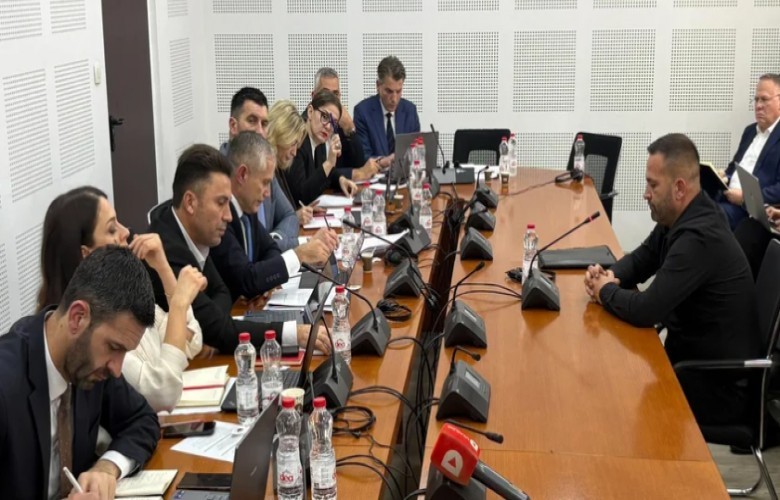
The Assembly debate also addressed the Government's decision to prohibit electricity trading with Serbian companies.
Democratic Party of Kosovo (PDK) MP Arben Mustafa criticized the Government for taking what he described as a delayed decision, arguing that Kosovo citizens had paid millions of euros more for electricity because of Serbia's blockade of cross-border capacities.
He questioned why Kosovo had waited six years for European Union mediation on the issue.
Mustafa also asked Economy Minister Artane Rizvanolli whether the Government had assessed the financial impact of the measure and how much pressure it could exert on Serbia to unblock cross-border transmission capacities.
He argued that if transactions involving Serbian companies had been negligible, the measure's impact could also be limited.
"If you are talking about trading companies that have traded in negligible values, then this measure seems to be only for show, because you have not managed to put pressure on Serbia to lift the blockades," Mustafa said.
He called on the Government to clarify the economic impact of the decision on Serbia and demonstrate whether it could help secure the release of cross-border capacities.
Rizvanolli: Measures will be escalated if Serbia does not respond
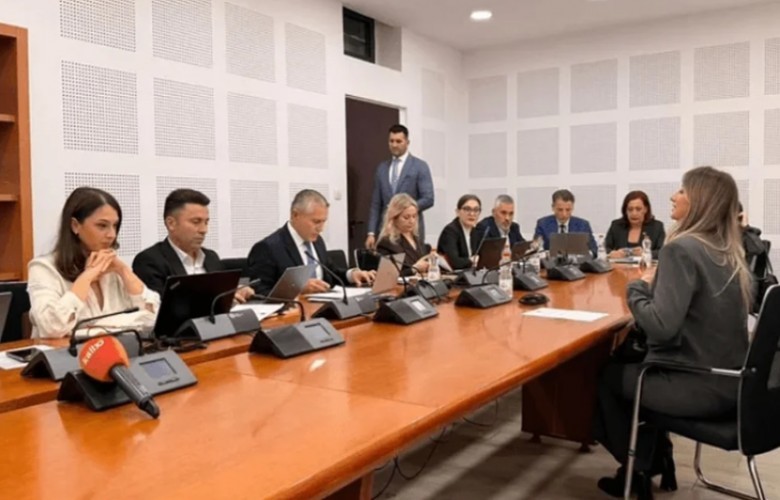
In response, Economy Minister Artane Rizvanolli outlined the developments that led to the decision to ban electricity trading with Serbian companies.
She said the issue had been raised in 2021, when the Kosovo Transmission, System and Market Operator (KOSTT) filed a complaint with the Energy Community.
According to Rizvanolli, in December 2025, the Energy Community Ministerial Council found Serbia in violation of its obligations for failing to release cross-border transmission capacities and set July 1, 2026, as the deadline for compliance.
After Serbia failed to meet the deadline, the European Union proposed a solution through mediation, giving Kosovo additional time before it decided to introduce the ban.
Rizvanolli said that, according to reports from KEK, KOSTT, KEDS and KESCO, these institutions and companies had not conducted transactions with Serbian companies during the Kurti Government's mandate.
Regarding other private companies operating in the unregulated market, she said the Ministry of Economy did not have access to their contracts or transaction records.
The minister acknowledged that the financial impact of the measure could not yet be quantified but stressed that it also served a preventive purpose.
"We consider this a first measure, which can be escalated and, in fact, will be escalated if Serbia does not respond," Rizvanolli said.
She added that the measure was necessary given the number of smaller companies operating in the market, even though institutions did not have complete information about all their transactions.
Rizvanolli also said that energy operators and the Energy Regulatory Office had taken steps over the years to minimize the damage caused by Serbia's blockade of cross-border capacities.
Responding to criticism over the timing of the decision, she compared the issue with the 25-year period during which, according to her, residents and illegal businesses in northern Kosovo did not pay for electricity.