Iran conflict may push Kosovo inflation to 5.9%, GET warns
Z.Qorraj/RTKlive
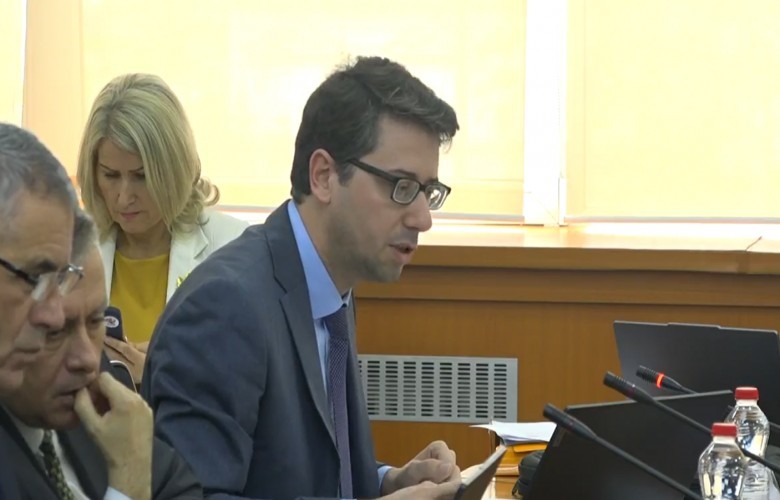
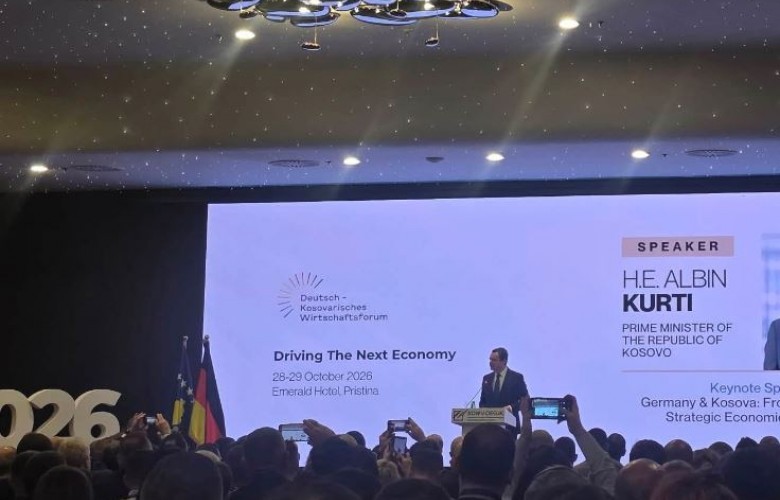
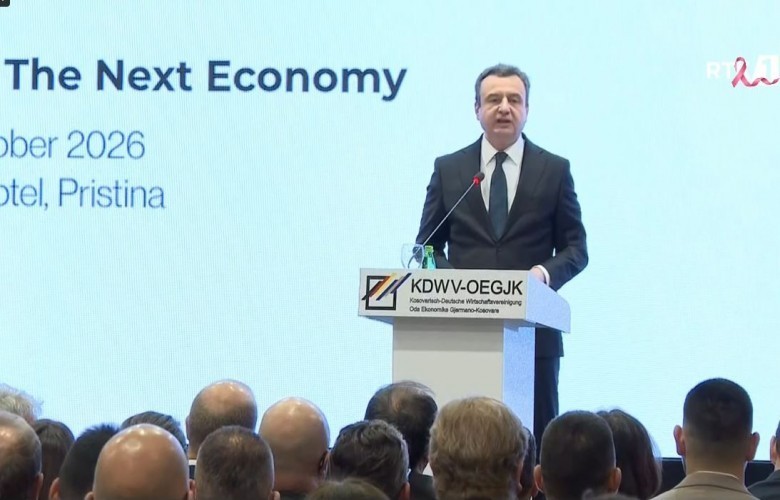
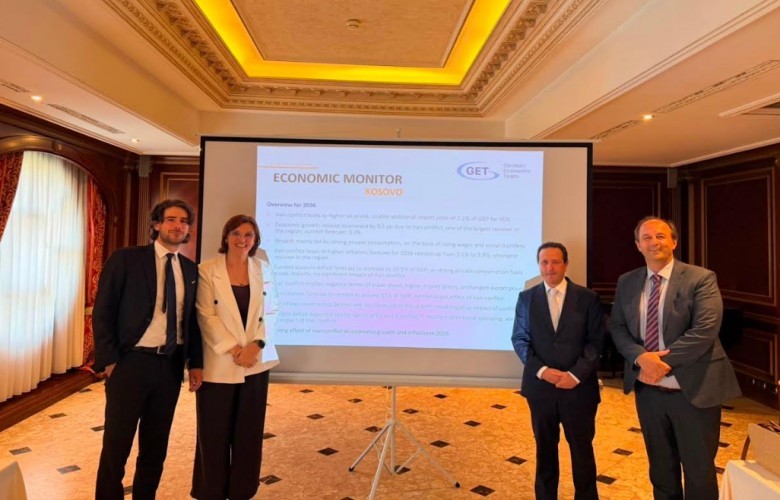
The German-Kosovar Chamber of Commerce (OEGJK), in cooperation with the German Economic Team (GET), held a roundtable discussion on the economic implications of the Iran conflict for Kosovo, focusing on the impact of recent geopolitical developments on the country`s economy.
According to OEGJK, the discussion centered on a GET analysis outlining the effects of the crisis on global energy markets and their consequences for Kosovo.
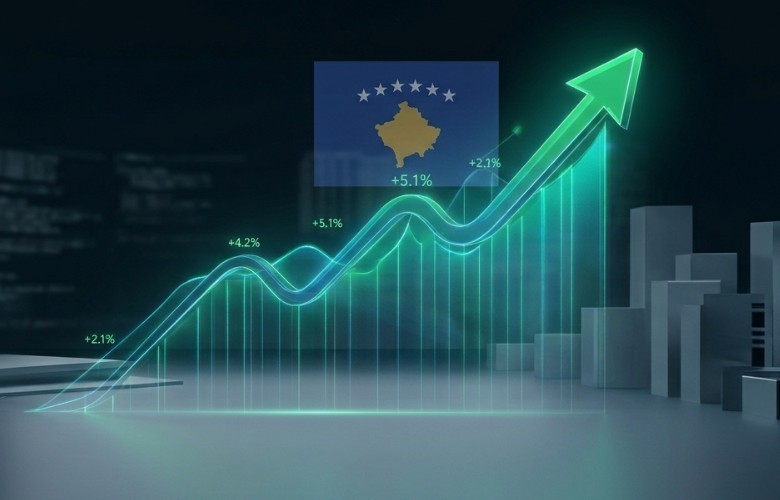
GET revised its 2026 inflation forecast for Kosovo from 3.1% to 5.9%—the highest upward revision in the region—mainly due to rising global oil prices. The increase is expected to add around €121 million to Kosovo's import bill, equivalent to 1.1% of the country's Gross Domestic Product (GDP).
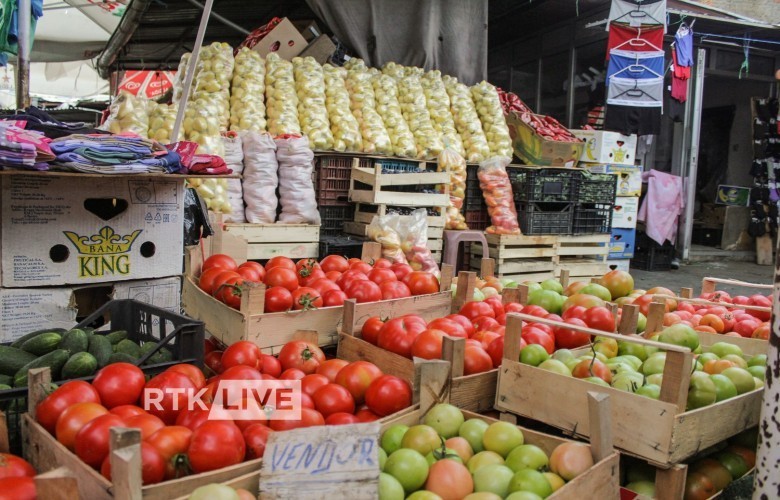
The analysis also noted that food accounts for 33% of Kosovo's consumer basket, making households particularly vulnerable to higher import and transport costs.
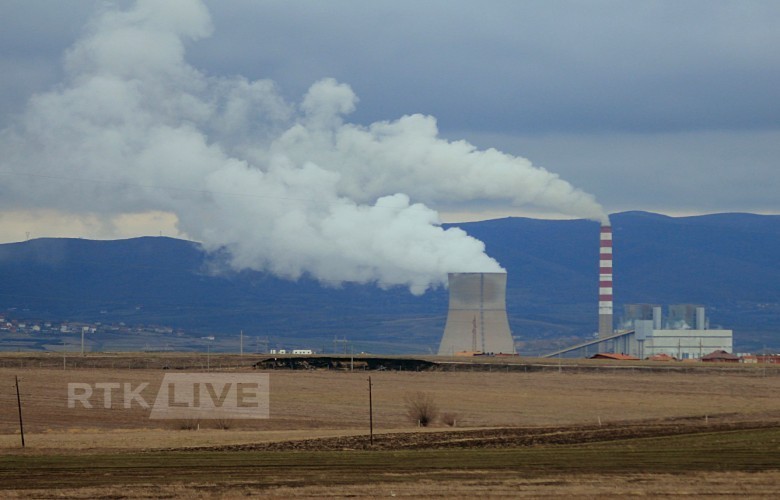
In the energy sector, GET reported that 56% of Kosovo's total energy supply comes from domestic lignite, 33% from imported petroleum products, and 9% from renewable sources. While this energy mix limits exposure to natural gas shocks, it leaves the country vulnerable to fluctuations in global oil prices.
As a result, GET lowered its 2026 economic growth forecast for Kosovo from 3.8% to 3.3%, stressing the need for measures to boost productivity, improve the investment climate, expand exports and accelerate the green transition.
The roundtable brought together representatives of institutions, international partners, and the private sector to discuss current economic challenges and identify steps toward sustainable economic development.