Konjufca: Political deadlock slowed Kosovo’s EU reforms
Z.Qorraj/RTKlive
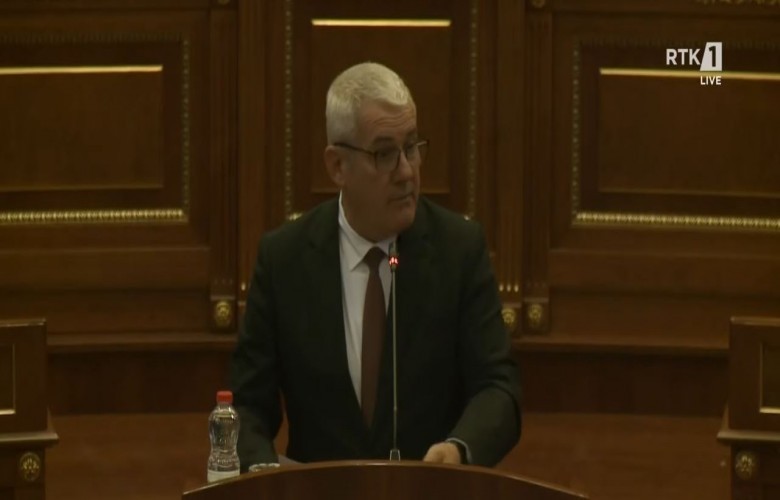
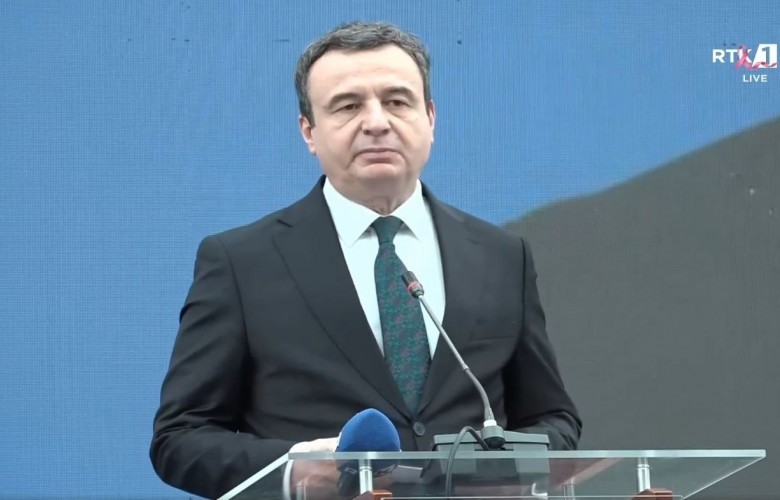
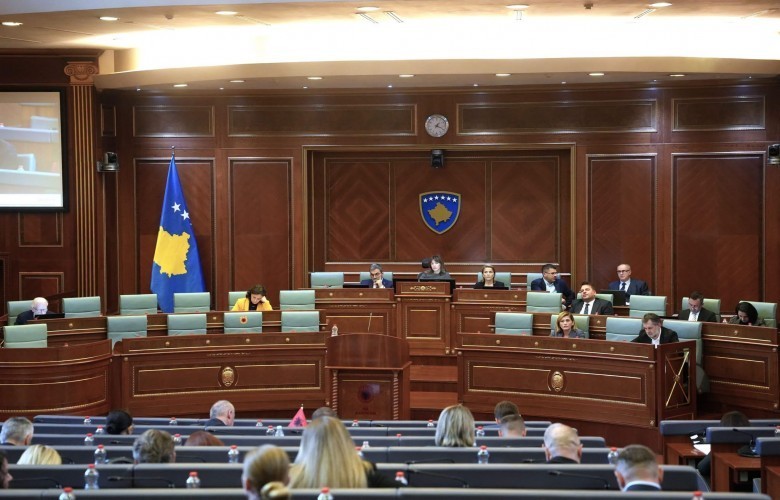
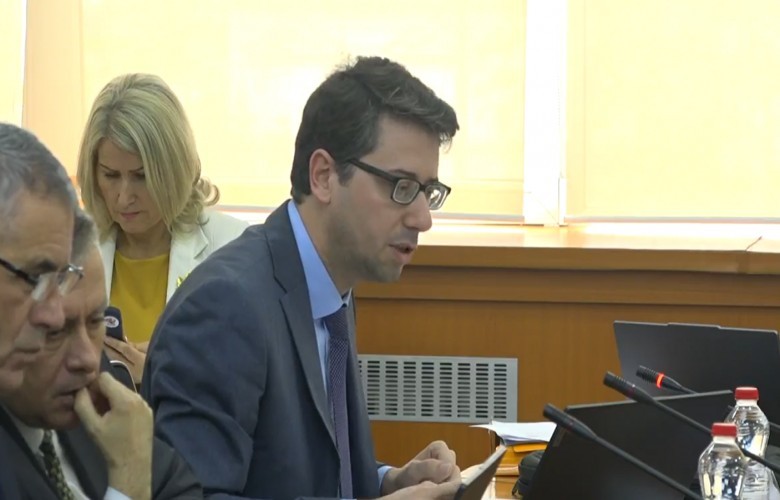
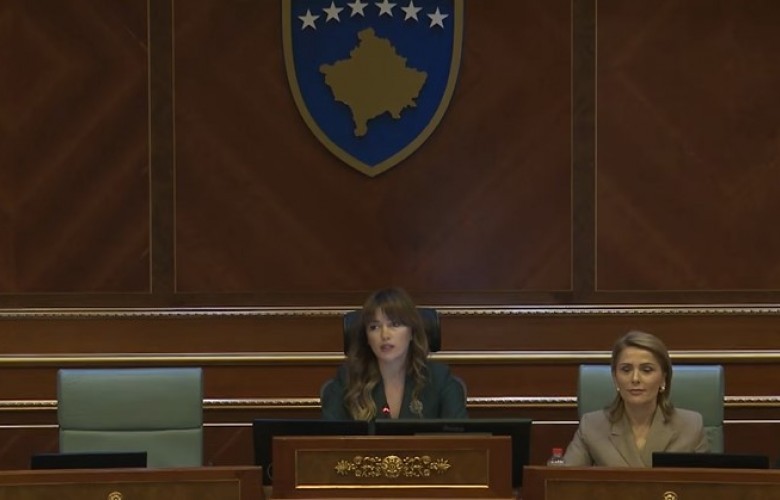
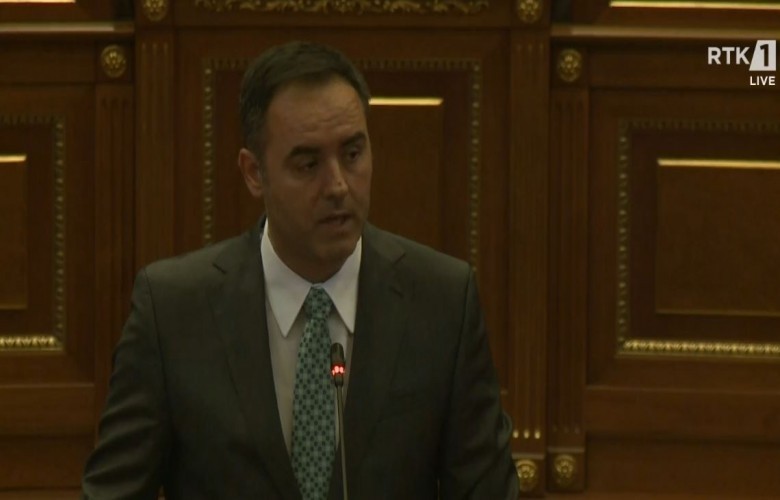
First Deputy Prime Minister and Minister of Foreign Affairs and Diaspora Glauk Konjufca has presented the main findings of the European Commission’s 2026 Kosovo Report to the Assembly, highlighting political instability, institutional deadlock and delays in reforms, but also progress in several areas.
Konjufca said the reporting period, covering September 2025 to September 2026, was marked by three elections – two parliamentary and one municipal – the absence of an elected president and the Assembly's prolonged inactivity.
According to him, these circumstances slowed down reforms and undermined the effectiveness of governance.
Quoting the European Commission's assessment, Konjufca said that progress in EU-related reforms remained uneven due to political instability and deadlock.
He noted that the Assembly had functioned only from mid-February until the end of April, while work on strategies and legislation related to public finances had stalled.
Despite these challenges, Konjufca stressed that Kosovo's level of preparation for EU membership had not declined in any area. He highlighted improvements in at least seven areas compared with the 2025 report, including public administration reform, free movement of capital, financial services, statistics, regional policy, justice, freedom and security, as well as the fight against organized crime.
Regarding the fight against corruption, Konjufca said the European Commission had noted a significant increase in final convictions in high-level corruption cases, while the number of indictments had nearly doubled.
He emphasized that the main shortcomings were related to the implementation of existing legislation rather than the legal framework itself.
On freedom of expression, Konjufca said Kosovo had made limited progress compared with the previous report, which had found no progress in this area. He also highlighted Kosovo's improvement by 15 positions in the Reporters Without Borders press freedom ranking.
Addressing domestic and gender-based violence, he acknowledged that despite the adoption of secondary legislation and the appointment of a national coordinator, significant shortcomings remained in the implementation of laws by institutions.
Referring to the murder of Arlinda Zekaj earlier this year, Konjufca said the case had exposed the gap between the legislation Kosovo has adopted and its implementation by institutions responsible for upholding the rule of law.
Konjufca also addressed the financial and institutional consequences of the political deadlock, estimating that the blockade had cost more than €20 million and diverted time and resources that could otherwise have been used to advance reforms.
He called on all political parties to reflect on their responsibility for the situation.
“If we understand this as accountability that we must also give as responsibility, then I think there is enough space for everyone to look at themselves in the mirror,” he said.
Concluding his presentation, Konjufca pledged that the government would address the concerns and recommendations raised during the parliamentary debate.
He stressed that cooperation between the governing majority and opposition parties would be essential to achieving a better assessment in the European Commission's 2027 report.
“Only by working together, the majority with the opposition and parliamentary groups, and only when political entities come together, can we together create an even better progress report in 2027,” Konjufca concluded.