Court of Appeal handles over 40,000 cases, reports 66% efficiency
Z.Qorraj/RTKlive
The heavy caseload and differences in judicial efficiency were among the main issues highlighted in reports on the performance of Kosovo’s courts for the third quarter of 2026, presented to the Kosovo Judicial Council (KJC).
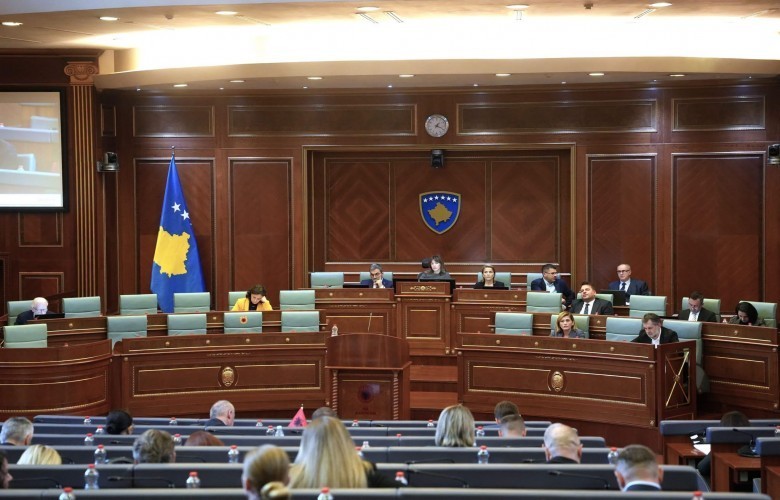
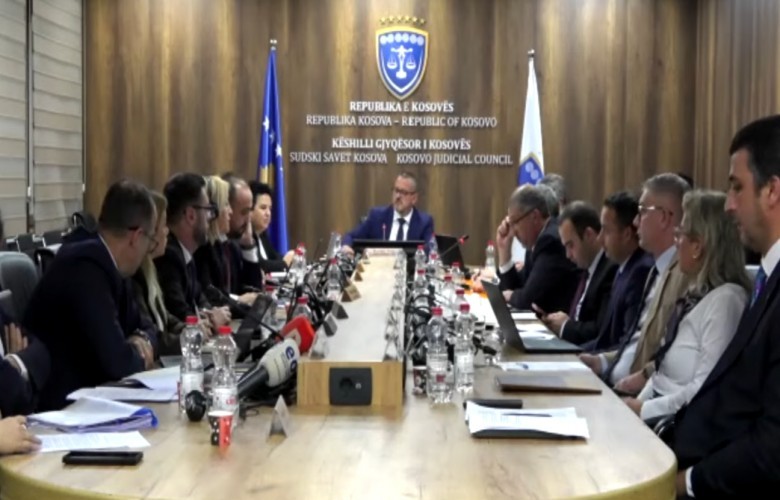
At its 374th meeting, the KJC reviewed the courts’ performance between July and September, focusing on the number of cases handled, efficiency rates and challenges in the administration of justice.
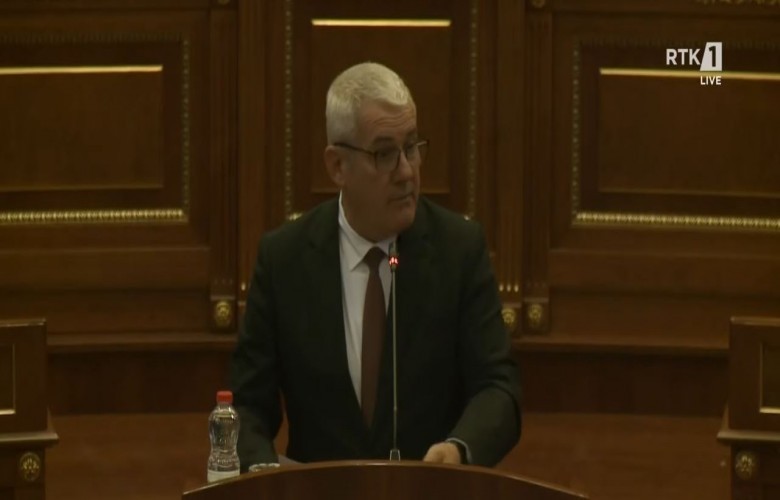
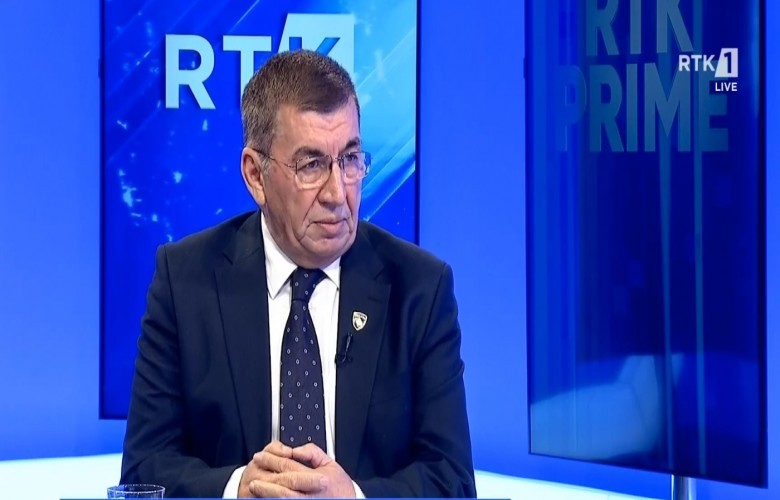
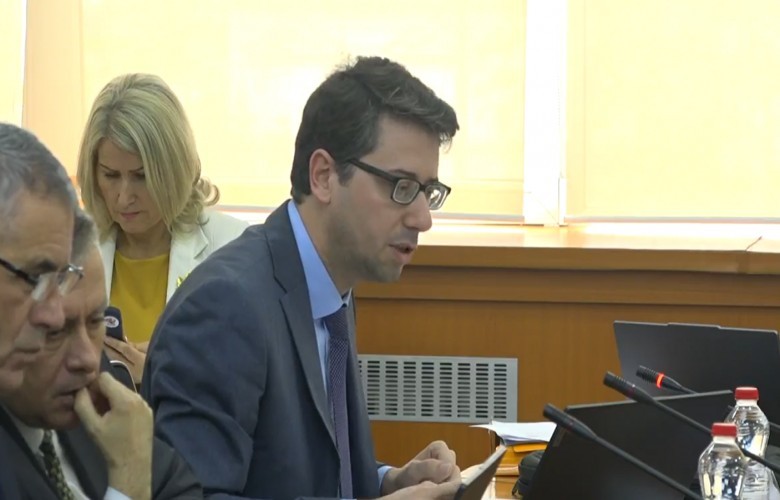
President of the Court of Appeal, Valon Totaj, said the court had 40,110 cases pending during the reporting period, including 8,074 new cases received.
Of these, 5,324 cases were resolved, resulting in an efficiency rate of approximately 66 percent.
Totaj identified administrative and civil cases as the main challenges, with significantly lower efficiency rates than in other areas. Efficiency stood at 50.6 percent for administrative cases, 53.3 percent for minor offences and 52 percent for civil litigation.
Better results were recorded in detention cases, where the efficiency rate reached 100 percent, and in various criminal cases, at approximately 85 percent.
Regarding older cases, Totaj said the Court of Appeal had completed all cases from 2022, while around 300 cases from 2023 remained unresolved. More than 60 percent of cases from 2024 had also been completed.
Meanwhile, the Special Chamber of the Supreme Court reported an efficiency rate of nearly 300 percent.
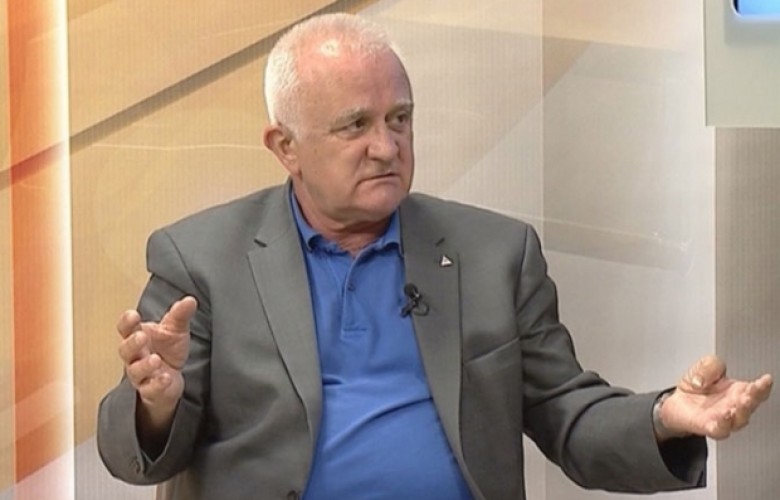
Supervising Judge Sylejman Shumolli said the Chamber had resolved 531 cases out of 8,220 pending cases during the third quarter. It received 180 new cases, leaving 7,869 unresolved.
He attributed the high efficiency rate to the relatively small number of new cases compared with the number of cases resolved.
Shumolli also said that 16 judges had worked on the cases and that 292 court sessions had been held during the reporting period.
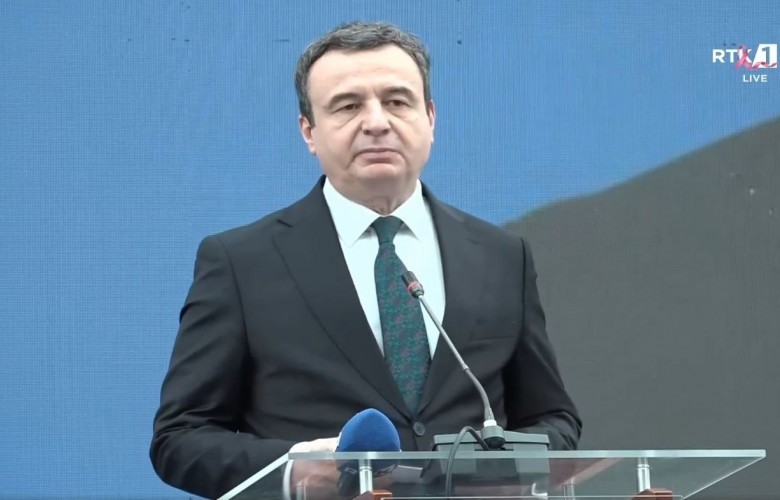
Presenting the Supreme Court's report, Judge Agim Maliqi said the court had 1,106 cases in its workload during the third quarter, including 556 new cases and 550 carried over from the previous period.
The court resolved 498 cases, recording an efficiency rate of 89.57 percent, while 608 remained unresolved.
Maliqi added that 852 judgments were published during the period, including 510 by the Supreme Court and 342 by the Special Chamber.
The reports highlighted significant differences in judicial efficiency, with the Court of Appeal's heavy caseload and delays in civil and administrative proceedings remaining among the main challenges facing Kosovo's judicial system.