Janjic: Serbia’s new government must review dialogue agreements
Z.Qorraj/RTKlive
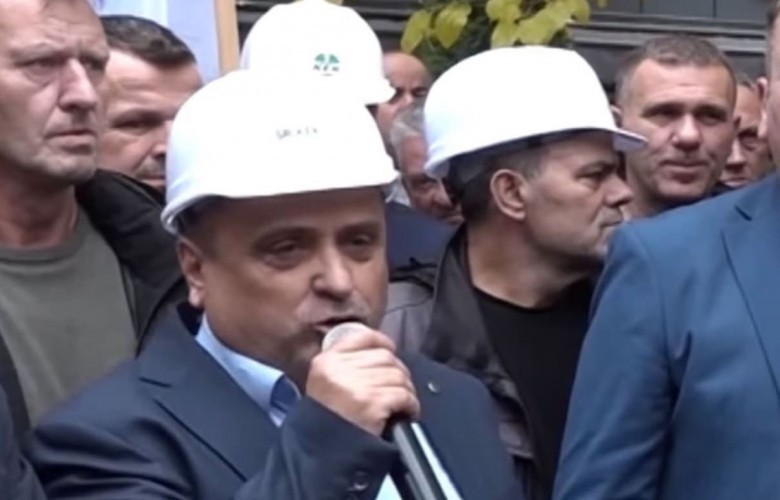
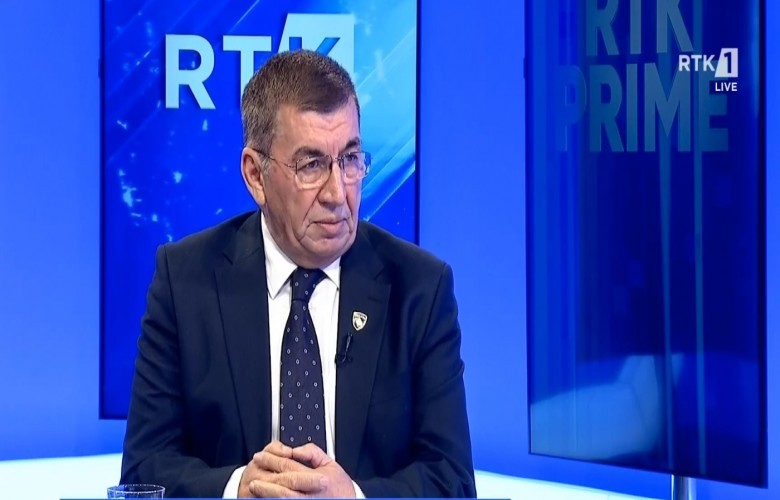
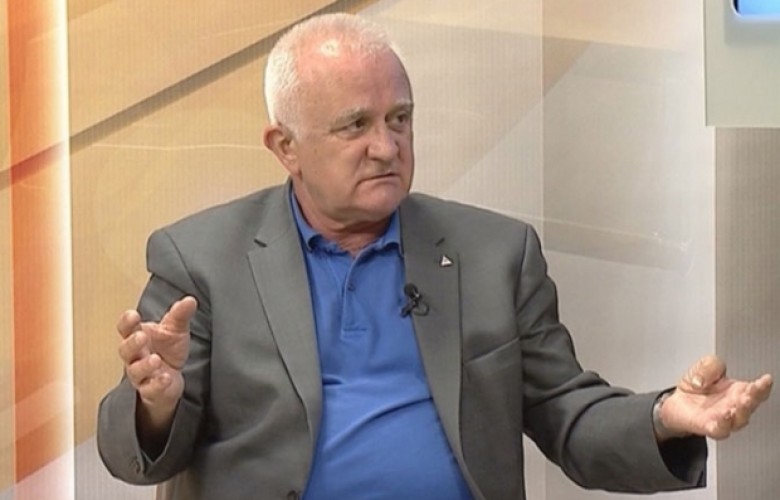
Dusan Janjic of the Belgrade-based Forum for Ethnic Relations says he agrees in principle with Kosovo Prime Minister Albin Kurti that Serbia should accept reality, but insists the new government in Belgrade must first clarify what has been agreed and what obligations Serbia has undertaken in the dialogue with Prishtina.
Speaking on RTK2's morning programme, Janjic said Serbia must confront political reality and address existing problems, but stressed that transparency about previous negotiations must come first.
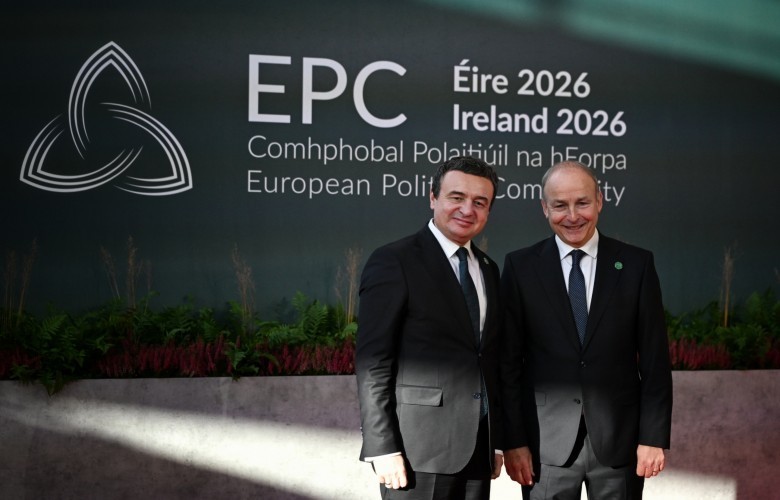
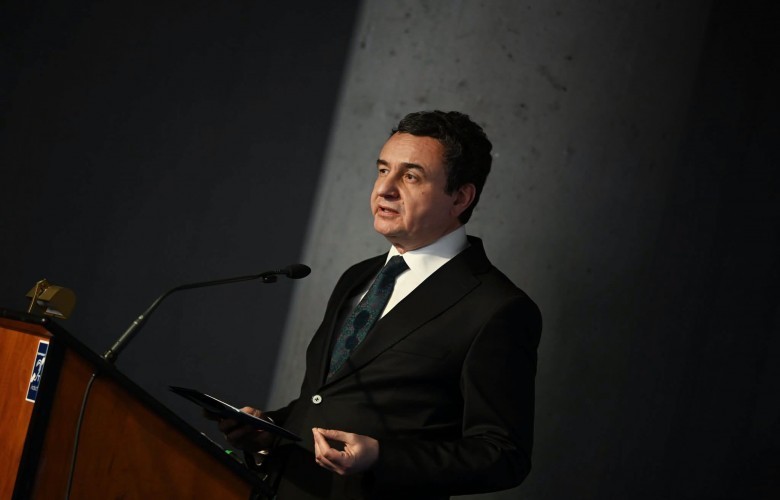
Kurti, in an interview with Radio France Internationale (RFI) during his visit to Paris, said the new Serbian government should recognize Kosovo's independence, describing such a decision as the main indicator of Serbia's democratic orientation.
"The new government should not recognize anything without seeing what has been signed. In Serbia, we do not know what has been signed, what has not been signed, and what has been implemented. We know something, but we want official information. A condition for accepting reality is to know what obligations have been undertaken on behalf of Serbia," Janjić said.
He recalled that he has been calling for greater transparency in the dialogue for years.
Brussels Agreement and EU Integration
Commenting on the 2023 Brussels Agreement on the path to normalization of relations and its Ohrid Implementation Annex, Janjić said the legal and political status of the commitments must be clarified.
He particularly referred to letters sent by former Serbian Prime Minister Ana Brnabić to European officials, in which Belgrade expressed reservations about certain obligations under the agreement.
Janjić said it should be established how EU mediators interpret those letters and whether additional commitments, including verbal agreements, have been made since then.
He also highlighted the importance of Chapter 35 in Serbia's EU accession negotiations, which addresses the normalization of relations with Kosovo.
According to Janjić, formal recognition cannot be separated from the implementation of existing commitments and Serbia's progress towards EU membership.
He argued that Serbia has already taken steps amounting to a form of de facto recognition of Kosovo's institutions, although formal recognition remains unresolved.
Janjić said the continuation of the dialogue will depend on the formation of new institutions in Serbia and the definition of their negotiating mandate. The incoming government should first review existing agreements and their consequences before determining its future policy towards Kosovo.
Janjic criticizes Serbian List's political monopoly
Commenting on statements by representatives of the Student List that they would not cooperate with the Serbian List, Janjic said such positions reflect dissatisfaction with the party's political conduct.
He identified what he described as the Serbian List's establishment of a political monopoly among Kosovo Serbs and the restriction of political pluralism as major concerns.
"My main criticism of the Serbian List is that it has served as an instrument for eliminating the multi-party system and the right of members of the Serbian community to make their own decisions," he said.
Janjic also argued that political positions and parliamentary mandates should not shield anyone from potential investigations into financial flows and activities linked to the party.
He referred to the case involving ALTA Bank, raising allegations of possible financial irregularities and calling for an investigation by the competent authorities.
He said a change of power in Belgrade could also bring a different approach towards the Serbian List, particularly regarding political accountability and compliance with Serbian law.
"This is an important warning. It will not be possible to continue as before, with agreements with individuals at the top of power in Serbia and the avoidance of Serbian laws," Janjic said.
He also recalled the Serbian List's withdrawal from Kosovo institutions and the political crises that followed, arguing that these actions had further weakened the position of the Serbian community.
Janjić additionally referred to the attack in Banjska, the continued departure of Serbs from Kosovo and what he described as the community's declining prospects.
Calls for a Development Fund for Kosovo Serbs
Discussing Belgrade's future policy towards Serbs in Kosovo, Janjic said the existing model of budgetary support should be replaced with a development-oriented approach and transparent oversight of public spending.
He proposed establishing a dedicated fund to support the normalization of relations and the development of the Serbian community in Kosovo.
Rather than treating Kosovo Serbs primarily as a socially vulnerable group, he said, financial assistance should focus on long-term development, with transparent funding and effective supervision.