PDK propozon ndryshime në Ligjin për Dhomat e Specializuara (Dokument)
Sh.Çoçaj/RTKlive
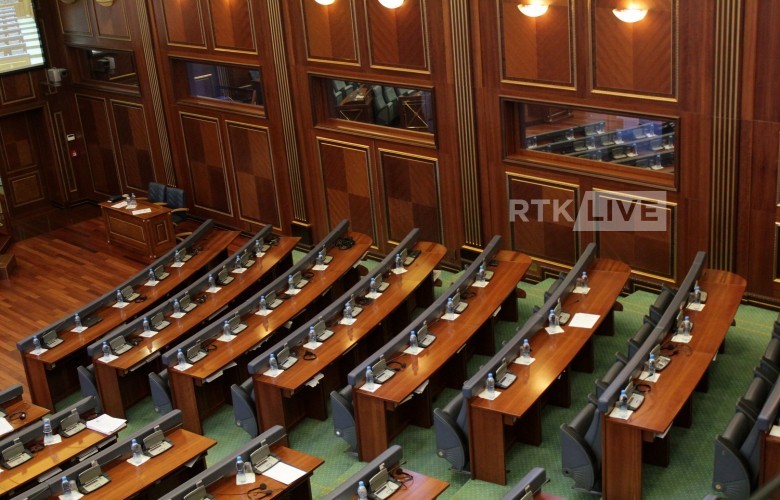
Partia Demokratike e Kosovës (PDK) ka dorëzuar në Kuvendin e Kosovës një Projektligj për ndryshimin dhe plotësimin e Ligjit për Dhomat e Specializuara dhe Zyrën e Prokurorit të Specializuar.
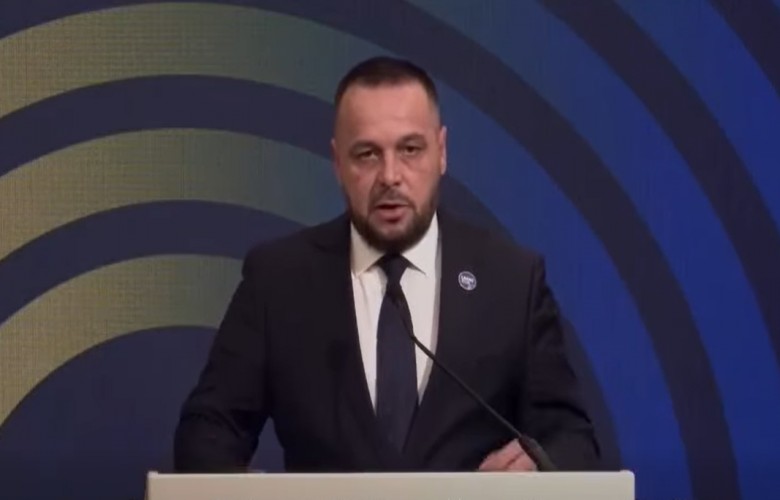
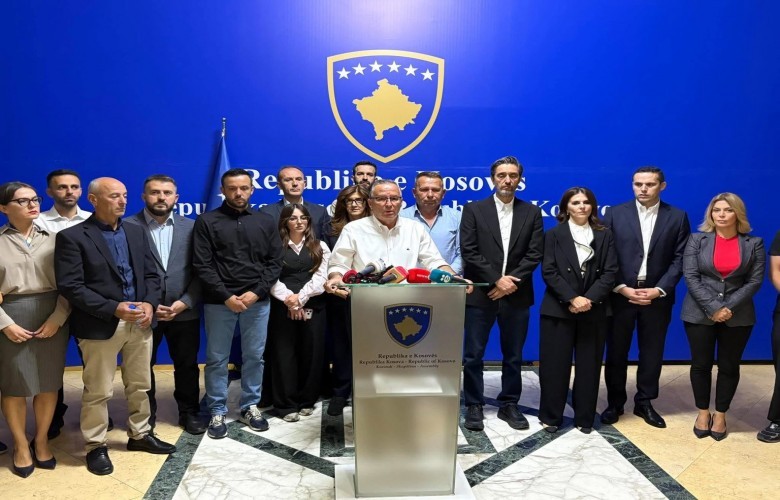
Kryetari i Partisë Demokratike të Kosovës, Bedri Hamza, ka thënë se Grupi Parlamentar i PDK-së ka proceduar kërkesën në Kuvend për plotësim-ndryshim të Ligjit për Dhomat e Specializuara.
Sipas kryetari të PDK-së, iniciativa vjen në kuadër të qëndrimit të kësaj partie lidhur me zhvillimet në proceset gjyqësore në Dhomat e Specializuara të Kosovës.
Ai ka thënë se Kosova po kalon ditë të rënda dhe se qytetarët në vazhdimësi po protestojnë kundër vendimit të Gjykatës Speciale.
Sipas Hamzës, ky reagim i qytetarëve nuk mund të injorohet e as Kuvendi nuk mund të sillet sikur kjo çështje nuk e prek Republikën e Kosovës.
“Kjo gjykatë nuk është imponuar nga një rezolutë e Këshillit të Sigurimit të Kombeve të Bashkuara, por është krijuar me Kushtetutën dhe ligjet e Kushtetutës të martuara nga Kuvendi i Kosovës”, ka thënë ai.
Hamza ka deklaruar se gjithçka ka nisur nga raporti i Dick Martyt dhe rezoluta e Këshillit të Evropës. Sipas tij, në qendër të atij raporti ishin pretendime të rënda që godisnin luftën dhe çlirimtarët.
Hamza tha se projektligji nuk parasheh mbylljen e Dhomave të Specializuara të Hagës.
“Kosova mori një vendim të vështirë dhe Kosova veproi me bindjen që nuk kishte asgjë për të fshehur. Sot pas më shumë se një dekade, ekziston një fakt që kërkon përgjigje. Në Dhomat e Specializuara nuk është ngritur një rast lidhur me pretendimet e Martyt. Nëse Kosova krijoi këtë Gjykatë me mision të posaçëm, a duhet që ky mision të ketë një kufi. Projektligji jep një përgjigje të qartë. Nuk kërkon mbylljen e Dhomave të Specializuara. Nuk kërkon që akuzat që lidhen me pretendimet për të cilat u krijuan Dhomat e Specializuara të mos hetohen. Ato raste do të vazhdojnë të jenë pjesë e mandatit të tyre. kjo nuk është nismë për pandëshkueshmëri. Është nismë për të paracaktuar se kush ka të drejtë të gjykojë çfarë”, ka thënë ai.
Pas këtij vendimi, PDK ka paralajmëruar se, krahas hapave të tjerë demokratikë dhe institucionalë, do të ndërmarrë edhe veprime konkrete ligjore në Kuvendin e Republikës së Kosovës.
Projektligji i dorëzuar sot synon ndryshimin dhe plotësimin e kornizës ligjore mbi të cilën funksionojnë Dhomat e Specializuara dhe Zyra e Prokurorit të Specializuar, duke u mbështetur në Kushtetutën e Republikës së Kosovës, Amendamentin nr. 24 të Kushtetutës, marrëveshjet ndërkombëtare përkatëse dhe Aktgjykimin KO26/15 të Gjykatës Kushtetuese.
Partia Demokratike e Kosovës konsideron se çdo institucion i themeluar me ligjet e Republikës së Kosovës duhet të veprojë në përputhje të plotë me Kushtetutën, ligjet e vendit, standardet ndërkombëtare të drejtësisë dhe garancitë për një proces të drejtë gjyqësor.
Përmes kësaj nisme, PDK kërkon që Kuvendi i Republikës së Kosovës ta ushtrojë përgjegjësinë e tij kushtetuese dhe ligjvënëse, duke shqyrtuar me seriozitet dispozitat ligjore që rregullojnë funksionimin e Dhomave të Specializuara.
PDK do të vazhdojë të ndjekë çdo rrugë demokratike, institucionale dhe ligjore për të kundërshtuar atë që e konsideron padrejtësi ndaj Hashim Thaçit, Kadri Veselit, Jakup Krasniqit dhe Rexhep Selimit dhe për të kërkuar respektimin e plotë të standardeve të drejtësisë në të gjitha fazat e mëtejshme të procesit.
Nisma është ndërmarrë pas aktgjykimit dënues ndaj ish-krerëve të Ushtrisë Çlirimtare të Kosovës, Hashim Thaçi, Kadri Veseli, Jakup Krasniqi dhe Rexhep Selimi.
Ky është dokumenti i propozuar:
PROJEKTLIGJ
PËR
NDRYSHIMIN DHE PLOTËSIMIN E LIGJIT NR. 05/L-053 PËR DHOMAT E SPECIALIZUARA DHE ZYRËN E PROKURORIT TË SPECIALIZUAR
Kuvendi i Republikës së Kosovës,
Në mbështetje të nenit 65 (1) të Kushtetutës së Republikës së Kosovës,
Duke marrë parasysh qëllimet e Amendamentit nr. 24 të Kushtetutës së Republikës së Kosovës për themelimin e Dhomave të Specializuara dhe Zyrës së Prokurorit të Specializuar brenda sistemit të drejtësisë të Kosovës për të përmbushur obligimet ndërkombëtare të Kosovës në lidhje me Raportin e Asamblesë Parlamentare të Këshillit të Evropës, Dok. 12462 të 7 janarit 2011;
Duke pasur parasysh Shkëmbimin e Letrave të datës 14 prill 2014 ndërmjet Presidentit të Republikës së Kosovës dhe Përfaqësuesit të Lartë të Bashkimit për Punë të Jashtme dhe Politikë të Sigurisë, të ratifikuar nga Kuvendi si marrëveshje ndërkombëtare me Ligjin Nr. 04/L-274, i cili përcakton se të gjitha strukturat gjyqësore, gjykatat e specializuara dhe masat ligjore do të miratohen në përputhje të rreptë me ligjin e Kosovës dhe do t’i nënshtrohen kontrollit kushtetues;
Duke marrë parasysh Raportin e Asamblesë Parlamentare të Këshillit të Evropës, Dok. 12462 të 7 janarit 2011 („Trajtimi çnjerëzor i njerëzve dhe trafikimi i paligjshëm i organeve njerëzore në Kosovë“);
Duke rikujtuar Aktgjykimin KO26/15 të Gjykatës Kushtetuese të Republikës së Kosovës të datës 14 prill 2015, i cili konfirmoi se krijimi i Dhomave të Specializuara është në përputhje me nenin 103(7) të Kushtetutës vetëm si një „gjykatë e specializuar“ e arsyetuar nga „nevoja“ për trajtimin e pretendimeve specifike të përcaktuara në Raportin e Asamblesë Parlamentare të Këshillit të Evropës, Dok. 12462 të 7 janarit 2011;
Duke marrë parasysh Vendimin e Dhomës së Specializuar të Gjykatës Kushtetuese në Rastin KSC-CC-2022-15 të datës 13 qershor 2022, i cili vërtetoi se organizimi, funksionimi dhe kufijtë e juridiksionit të Dhomave të Specializuara rregullohen me legjislacionin e miratuar nga Kuvendi,
Miraton këtë:
Neni 1
Qëllimi i këtij ligji është:
(i) të sigurojë përputhshmëri të plotë me qëllimin për të cilin janë themeluar Dhomat e Specializuara dhe Zyra e Prokurorit të Specializuar në përputhje me nenin 162 të Kushtetutës dhe Shkëmbimin e Letrave të datës 14 prill 2014, duke kufizuar veprimtarinë e tyre gjyqësore në pretendimet specifike të përcaktuara në Raportin e Asamblesë Parlamentare të Këshillit të Evropës, Dok. 12462;
(ii) të parandalojë degradimin institucional të Dhomave të Specializuara në një gjykatë të jashtëzakonshme, gjë që ndalohet sipas nenit 103(7) të Kushtetutës;
(iii) të riafirmojë epërsinë institucionale dhe përgjegjësinë parësore të gjykatave të rregullta vendore sipas Kushtetutës së Republikës së Kosovës për të gjykuar të gjitha krimet e tjera të luftës, krimet kundër njerëzimit dhe veprat e përgjithshme penale të kryera brenda territorit të Kosovës;
(iv) të rregullojë transferimin e rregullt dhe të ligjshëm të rasteve që nuk kualifikohen, provave materiale, kornizave të mbrojtjes së dëshmitarëve dhe personave të ndaluar tek gjykatat e rregullta dhe autoritetet korrektuese të Republikës së Kosovës, duke ruajtur të drejtat për një gjykim të drejtë, vazhdimësinë gjyqësore dhe ligjshmërinë procedurale.
Ky Ligj ndryshon dhe plotëson Ligjin Nr. 05/L-053 për Dhomat e Specializuara dhe Zyrën e Prokurorit të Specializuar me qëllim të kufizimit të juridiksionit të Dhomave të Specializuara dhe Zyrës së Prokurorit të Specializuar ekskluzivisht në veprat penale specifike të përcaktuara në Raportin e Asamblesë Parlamentare të Këshillit të Evropës, Dok. 12462, si dhe përcakton procedurën për transferimin e detyrueshëm të të gjitha procedurave të tjera tek gjykatat e rregullta të Republikës së Kosovës.
Neni 2
Paragrafi 1 i nenit 6 të Ligjit Nr. 05/L-053 fshihet dhe zëvendësohet me tekstin si vijon:
“1. Dhomat e Specializuara dhe Zyra e Prokurorit të Specializuar kanë juridiksion mbi krimet e përcaktuara në nenet 12–16 vetëm në masën sa këto krime përbëhen ekskluzivisht dhe drejtpërdrejt nga:
a. Nxjerrja, heqja dhe trafikimi i paligjshëm i organeve, indeve ose qelizave njerëzore, siç identifikohet dhe pretendohet specifikisht në Raportin e Asamblesë Parlamentare të Këshillit të Evropës, Dok. 12462; ose
b. Vrasja e paligjshme, tortura ose trajtimi mizor dhe çnjerëzor i kryer në vendet specifike të ndalimit të emërtuara shprehimisht në Raportin e Asamblesë Parlamentare të Këshillit të Evropës, Dok. 12462, kur akte të tilla janë kryer drejtpërdrejtë ose në lidhje të menjëhershme me veprimet e marrjes së organeve të përshkruara në nënparagrafin (a).
1A. Dhomat e Specializuara dhe Zyra e Prokurorit të Specializuar nuk kanë juridiksion lëndor (ratione materiae) mbi krimet e përgjithshme të luftës, krimet kundër njerëzimit ose dhunën politike të kryer në Kosovë që nuk përbëjnë element të drejtpërdrejtë dhe përbërës të akteve specifike të numëruara në paragrafin 1 të këtij neni. Konteksti më i gjerë politik, konflikti i armatosur i përgjithësuar apo pretendimet e përgjithshme për krimin e organizuar të përmendura në Raportin e Asamblesë Parlamentare të Këshillit të Evropës, Dok. 12462, nuk përcaktojnë dhe as nuk japin juridiksion sipas këtij Ligji.“
2. Paragrafi 2 i nenit 6 të Ligjit Nr. 05/L-053 mbetet i pandryshuar.
Neni 3
Neni 7 i Ligjit Nr. 05/L-053 fshihet dhe zëvendësohet me tekstin si vijon:
“Dhomat e Specializuara dhe Zyra e Prokurorit të Specializuar kanë juridiksion vetëm mbi krimet e përcaktuara në nenin 6(1) të këtij Ligji që kanë ndodhur ndërmjet 1 korrikut 1999 dhe 31 dhjetorit 2000.“
Neni 4
Neni 8 i Ligjit Nr. 05/L-053 ndryshohet si në vijim:
“Neni 8
Juridiksioni territorial
1. Dhomat e Specializuara kanë juridiksion mbi veprat penale që plotësojnë kriteret e neneve 6 dhe 7 dhe që janë filluar ose janë kryer në territorin e Republikës së Kosovës.
2. Për veprimet e kryera jashtë territorit të Republikës së Kosovës, juridiksioni ushtrohet vetëm kur ekziston baza e juridiksionit personal sipas nenit 9 të këtij ligji dhe kur veprimi plotëson kriterin e lidhjes konkrete me Raportin sipas nenit 6.
3. Ushtrimi i juridiksionit sipas paragrafit 2 kufizohet në faktet që lidhen drejtpërdrejt me pretendimet konkrete të Raportit dhe nuk shërben si bazë për zgjerimin e juridiksionit ndaj ngjarjeve të tjera.”
Neni 5
Pas paragrafit 2 të nenit 9 të Ligjit Nr. 05/L-053 shtohet paragrafi 3, si në vijim:
“3. Juridiksioni personal sipas paragrafit 2 ushtrohet vetëm për veprat që plotësojnë njëkohësisht kriteret e juridiksionit lëndor dhe kohor sipas neneve 6 dhe 7 dhe lidhjen konkrete të përcaktuar në nenin 6 të këtij ligji.”
Neni 6
1. Neni 10 i Ligjit Nr. 05/L-053 plotësohet me paragrafët e rinj 4, 5, 6 dhe 7, si vijon:
“4. Në çdo fazë të procedurës penale, duke iu nënshtruar dispozitave kalimtare të nenit 22 të këtij ligji, me kërkesë të njërës palë ose sipas detyrës zyrtare (ex officio), Gjyqtari i Procedurës Paraprake, Trupi Gjykues, Paneli i Gjykatës së Apelit ose Paneli i Gjykatës Supreme shqyrton nëse akuzat ose pretendimet bien brenda juridiksionit lëndor të përcaktuar në nenin 6 (1) të Ligji. Gjyqtari ose paneli kompetent nxjerr vendim të arsyetuar brenda pesmbëdhejtë (15) ditëve kalendarike nga pranimi i kërkesës, ose brenda tridhjetë (30) ditëve kalendarike kur mbahet seancë dëgjimore gojore.
Nëse ndonjë akuzë oose gjykim që është në procedure para gjykatës në cilën do shkallë nuk i plotëson kërkesat e nenit 6 (1), paneli kompetent deklaron menjëherë inkompetencën e vet dhe urdhëron pushimin e procedurës pranë Dhomave të Specializuara.
5. Në rast se gjykata nga paragrafi 1 i këtij neni nuk vendos brenda afatit të përcaktuar ose nxjerr vendim me të cilin ndonjëra palë është e pakënaqur, palët kanë të drejtë të paraqesin ankesë në Gjykatën Supreme të Republikës së Kosovësn në Prishtinë. Gjykata Supreme vendos përfundimisht lidhur me çështjen e kompetencës brenda pesëmbëdhjetë (15) ditëve nga dita e pranimit të ankesës.
6. Çdo hetim, aktakuzë, procedurë ose gjykim që pushon në zbatim të paragrafit 4 të këtij neni transferohet menjëherë dhe pa vonesë tek autoritetet e rregullta gjyqësore të Republikës së Kosovës:
a. Gjykimet penale aktive, aktakuzat e konfirmuara dhe procedurat gjyqësore pezull transferohen në Departamentin Special të Gjykatës Themelore në Prishtinë, në departamentin kompetent të Gjykatës së Apelit ose Gjykatën Supreme në Prsihtinë.
b. Kallëzimet penale, hetimet dhe dosjet e lëndëve të prokurorisë transferohen në Prokurorinë Speciale të Republikës së Kosovës (PSRK).
7. Sekretari i Dhomave të Specializuara, brenda tridhjetë (30) ditëve kalendarike nga data e urdhrit të lëshuar sipas paragrafit 4:
a. Siguron, inventarizon dhe transferon të gjitha dosjet origjinale të lëndëve, regjistrat e provave, materialet fizike, transkriptet e intervistave dhe shkresat e gjykatës në Gjykatën Themelore, të Apelit ose Supreme në Prishtinë ose në PSRK, sipas rastit;
b. Bashkërendon veprimet me autoritetet kompetente të Republikës së Kosovës për të siguruar zinxhirin e pandërprerë të ruajtjes për të gjitha provat materiale dhe mjekoligjore;
c. Përcjell të gjitha urdhrat aktivë për mbrojtjen e dëshmitarëve, identitetet dhe klasifikimet mbrojtëse te Njësia e Specializuar për Mbrojtjen e Dëshmitarëve brenda Policisë së Kosovës dhe te PSRK-ja.
8. Të gjitha urdhrat e paraburgimit, vendimet mbi paraburgimin dhe kushtet e lirimit të përkohshëm të lëshuara më parë nga Dhomat e Specializuara lidhur me rastet e transferuara sipas këtij neni, mbeten përkohësisht të vlefshme për një periudhë maksimale prej tridhjetë (30) ditësh nga transferimi fizik i dosjes së lëndës. Brenda kësaj periudhe tridhjetëditore, një trup gjykues i Departamentit Special të Gjykatës Themelore, Apelit ose Gjykata Supreme në Prishtinë, cakton një seancë dëgjimore dhe vendos mbi mbajtjen në fuqi, ndryshimin ose shuarjen e paraburgimit apo masave kufizuese në përputhje me Kodin e Procedurës Penale të Kosovës.“
Neni 7
Ligji Nr. 05/L-053 plotësohe7, pas nenit 10 shtohet neni 10A, si në vijim:
“Neni 10A
Transferimi i lëndëve dhe materialeve
1. Kur procedura para Dhomave përfundon tërësisht ose pjesërisht për shkak të mungesës së juridiksionit, lënda ose pjesa përkatëse e saj transferohet pa vonesë te autoriteti kompetent i Republikës së Kosovës.
2. Procedurat gjyqësore, aktakuzat e konfirmuara dhe çështjet në gjykim transferohen në Departamentin Special të Gjykatës Themelore, të Apelit ose Supreme në Prishtinë.
3. Kallëzimet penale, hetimet dhe dosjet e prokurorisë transferohen në Prokurorinë Speciale të Republikës së Kosovës.
4. Autoriteti pranues vendos në mënyrë të pavarur për juridiksionin, statusin procedural të aktakuzës, përgjegjësinë penale, pranueshmërinë e provave dhe veprimet e mëtejshme procedurale sipas Kushtetutës dhe legjislacionit të Republikës së Kosovës.
5. Aktakuza e konfirmuar nga Dhomat transferohet si akt procedural i lëndës dhe i nënshtrohet vlerësimit të autoritetit kompetent të Republikës së Kosovës sipas Kodit të Procedurës Penale.
6. Brenda tridhjetë (30) ditëve nga vendimi për transferim, Zyra Administrative përgatit dhe i dorëzon autoritetit pranues dosjen e plotë të certifikuar, aktet procedurale, transkriptet, regjistrimet, vendimet, provat dhe materialet e tjera që janë të nevojshme për vazhdimin e procedurës.
7. Provat materiale dhe materialet forenzike transferohen me inventar dhe me dokumentim të plotë të zinxhirit të ruajtjes dhe dorëzimit.
8. Materialet e klasifikuara, konfidenciale ose të mbrojtura i nënshtrohen masave mbrojtëse në fuqi. Kushtet e vendosura nga ofruesit e informacionit respektohen sipas ligjit dhe marrëveshjeve të zbatueshme.
9. Transferimi i materialeve nuk përcakton paraprakisht vlerën provuese, ligjshmërinë ose pranueshmërinë e tyre para autoritetit pranues.
10. Administrimi dhe transferimi i arkivave, dokumenteve origjinale dhe materialeve të mbrojtura bëhet sipas nenit 61 të këtij ligji dhe marrëveshjeve ndërkombëtare të zbatueshme.”
Neni 8
Pas nenit 10A shtohet neni 10B, si në vijim:
“Neni 10B
Transferimi i personave të privuar nga liria
1. Kur procedura ndaj një personi të privuar nga liria përfundon para Dhomave për shkak të mungesës së juridiksionit, transferimi i tij në Republikën e Kosovës realizohet në zbatim të këtij ligji, Ligjit Nr. 04/L-274 dhe marrëveshjeve me shtetin pranues.
2. Deri në momentin e dorëzimit fizik, statusi i privimit nga liria rregullohet nga vendimet në fuqi dhe nga marrëveshjet ndërkombëtare të zbatueshme. Nga momenti i marrjes në kujdestari nga autoritetet e Republikës së Kosovës, vazhdimi i privimit nga liria kërkon bazë juridike sipas Kushtetutës dhe Kodit të Procedurës Penale.
3. Autoriteti pranues ndërmerr pa vonesë veprimet e nevojshme që personi të paraqitet para gjyqtarit kompetent jo më vonë se dyzet e tetë (48) orë nga mbërritja e tij në territorin e Republikës së Kosovës.
4. Gjykata kompetente shqyrton në mënyrë të pavarur ligjshmërinë dhe nevojën e vazhdimit të privimit nga liria dhe vendos për paraburgimin ose masat alternative sipas Kodit të Procedurës Penale.
5. Transferimi fizik organizohet pa vonesë dhe synohet të përfundojë jo më vonë se pesëmbëdhjetë (15) ditë nga vendimi për transferim, në koordinim me autoritetet e shtetit pranues dhe sipas procedurave të marrëveshjeve ndërkombëtare të zbatueshme.
6. Gjatë transferimit garantohen e drejta për mbrojtje, qasja në mbrojtës, integriteti fizik dhe shëndetësor, si dhe të gjitha garancitë e tjera kushtetuese dhe ndërkombëtare.
7. Para transferimit dhe pas mbërritjes në Republikën e Kosovës, personi mund t’i nënshtrohet ekzaminimit mjekësor të pavarur sipas kërkesës së tij ose të mbrojtjes.
8. Koha e kaluar në paraburgim ose në privim nga liria në kuadër të Dhomave llogaritet plotësisht sipas legjislacionit të Republikës së Kosovës.”
Neni 9
Pas nenit 10B shtohet neni 10C, si në vijim:
“Neni 10C
Mbrojtja e dëshmitarëve, viktimave dhe personave të mbrojtur
1. Masat e mbrojtjes të urdhëruara për dëshmitarët, viktimat dhe personat e tjerë të mbrojtur vazhdojnë të zbatohen pas transferimit deri në zëvendësimin ose ndryshimin e tyre nga autoriteti kompetent i Republikës së Kosovës.
2. Transferimi i identiteteve, të dhënave personale, materialeve të mbrojtura dhe masave të sigurisë bëhet në masën e nevojshme për vazhdimin e mbrojtjes dhe procedurës.
3. Autoriteti pranues zbaton masat ekzistuese me nivel të barasvlershëm sigurie dhe konfidencialiteti dhe vendos për vazhdimin, ndryshimin ose zëvendësimin e tyre me vendim të arsyetuar.
4. Kushtet e vendosura nga ofruesit e informacionit, urdhrat mbrojtës dhe detyrimet që rrjedhin nga marrëveshjet ndërkombëtare vazhdojnë të respektohen gjatë dhe pas transferimit.”
Neni 10
Pas nenit 10C shtohet neni 10D, si në vijim:
“Neni 10D
Zbatimi ndaj procedurave ekzistuese
1. Brenda tridhjetë (30) ditëve nga hyrja në fuqi, juridiksioni i secilës çështje rishqyrtohet nga gjyqtari i procedurës paraprake, Trupi Gjykues, Paneli i Apelit ose Paneli i Gjykatës Supreme, varësisht nga faza e procedurës.
2. Kur një çështje përmban akuza që bien brenda dhe jashtë juridiksionit, procedura ndahet në masën që lejojnë natyra e çështjes dhe të drejtat e palëve dhe transferohet vetëm pjesa që mbetet jashtë juridiksionit.
3. Kur është nxjerrë vendim jo i formës së prerë dhe konstatohet mungesa e juridiksionit për një pjesë të akuzave, vendimi anulohet në atë pjesë dhe procedura përfundon ose transferohet sipas këtij ligji.
4. Në procedurë ankimore, shqyrtimi i juridiksionit bëhet nga Paneli i Apelit; në procedurë para Gjykatës Supreme, nga Paneli i Gjykatës Supreme.
5. Vendimet e formës së prerë trajtohen sipas dispozitave për mjetet e jashtëzakonshme juridike dhe standardeve kushtetuese të zbatueshme.
6. Zbatimi i këtij neni ruan të drejtat procedurale të palëve, viktimave, dëshmitarëve dhe personave të tjerë të përfshirë në procedurë.”
Neni 11
Pas nenit 10D shtohet neni 10E, si në vijim:
“Neni 10E
Vazhdimësia e procedurave pas transferimit
1. Autoriteti kompetent i Republikës së Kosovës, pas pranimit të lëndës, ndërmerr veprimet procedurale të nevojshme sipas Kushtetutës dhe legjislacionit në fuqi.
2. Procedura pas transferimit zhvillohet duke garantuar gjykim të drejtë, të paanshëm dhe brenda një afati të arsyeshëm.
3. Provat e mbledhura nga Dhomat vlerësohen sipas rregullave të pranueshmërisë, ligjshmërisë dhe vlerës provuese të parashikuara me legjislacionin e Republikës së Kosovës.
4. Aktet procedurale të ndërmarra para transferimit merren në konsideratë nga autoriteti pranues, i cili përcakton efektin e tyre sipas Kodit të Procedurës Penale dhe standardeve të procesit të rregullt.
5. Autoritetet e Republikës së Kosovës mund të kërkojnë nga Dhomat ose Zyra e Prokurorit të Specializuar informacion, dokumente dhe materiale shtesë që janë të nevojshme për vazhdimin e procedurës.”
Neni 12
Neni 11 i Ligjit Nr. 05/L-053 ndryshohet si në vijim:
“Neni 11
Njoftimi për rastet dhe procedurat penale
1. Gjykatat dhe prokuroritë e Republikës së Kosovës njoftojnë Dhomat dhe Zyrën e Prokurorit të Specializuar pa vonesë për çdo rast ose procedurë që, sipas fakteve konkrete, mund të plotësojë kriteret e neneve 6, 7, 8 dhe 9.
2. Njoftimi shërben për vlerësimin e juridiksionit. Vendimi për juridiksion merret sipas nenit 10 dhe kërkon vërtetimin e kritereve të përcaktuara me këtë ligj.
3. Në rast mosmarrëveshjeje lidhur me juridiksionin, çështja vendoset nga organi gjyqësor kompetent i Dhomave me vendim të arsyetuar, në pajtim me këtë ligj.”
Neni 13
Paragrafi 2 i nenit 24 të Ligjit Nr. 05/L-053 ndryshohet si në vijim:
“2. Zyra e Prokurorit të Specializuar është zyrë e pavarur përgjegjëse për hetimin dhe ndjekjen penale të veprave penale që plotësojnë kriteret e juridiksionit të Dhomave sipas neneve 6 deri 9 të këtij ligji.”
Neni 14
Pas nenit 11 shtohet neni 11A, si në vijim:
“Neni 11A
Përcaktimi individual i juridiksionit
1. Për çdo person të akuzuar dhe për çdo pikë të akuzës, gjykata përcakton veçmas:
1.1. veprën penale të pretenduar;
1.2. faktet konkrete mbi të cilat mbështetet akuza;
1.3. kohën e kryerjes;
1.4. vendin e kryerjes;
1.5. bazën e juridiksionit personal, kur është e zbatueshme;
1.6. dispozitën ligjore që krijon juridiksionin; dhe
1.7. lidhjen konkrete, të drejtpërdrejtë dhe të nevojshme me pretendimet dhe faktet specifike të identifikuara në Raportin Dok. 12462.
2. Vendimi për juridiksion përmban arsyetim të veçantë për secilën pikë të akuzës.”
Neni 15
Neni 44, paragrafi 1 i Ligjit Nr. 05/L-053 ndryshohet si në vijim:
“Dhomat e Specializuara mund t’i shqiptojnë personit të dënuar dënim me burgim në kohëzgjatje jo më të gjatë se pesëmbëdhjetë (15) vjet, në përputhje me parimin e zbatimit të ligjit më të favorshëm (lex mitior).“
Neni 16
Neni 50 i Ligjit Nr. 05/L-053 ndryshohet si në vijim:
“Dënimi me burgim i shqiptuar nga Dhomat e Specializuara vuhet në institucionet korrektuese të Republikës së Kosovës, në pajtim me legjislacionin në fuqi të Republikës së Kosovës. Institucioni konkret korrektues caktohet nga autoriteti kompetent i Republikës së Kosovës, duke marrë parasysh kohëzgjatjen e dënimit, kushtet e sigurisë dhe rrethanat individuale të personit të dënuar.“
Neni 17
Neni 51 i Ligjit Nr. 05/L-053 ndryshohet si në vijim:
“Pavarësisht dispozitave të Ligjit nr. 03/L-101 për Faljen, personat e dënuar me aktgjykim të formës së prerë nga Dhomat e Specializuara mund të jenë subjekt i faljes individuale nga Presidenti i Republikës së Kosovës. Kriteret, kushtet dhe procedurat e përcaktuara në Ligjin nr. 03/L-101 për Faljen zbatohen edhe për personat e dënuar nga Dhomat e Specializuara.“
Neni 18
Neni 54 i Ligjit Nr. 05/L-053 ndryshohet si në vijim:
“Neni 54
Ndërveprimi me gjykatat dhe prokuroritë e Republikës së Kosovës
1. Përparësia e Dhomave ndaj gjykatave dhe prokurorive të tjera të Republikës së Kosovës zbatohet vetëm për çështjet që plotësojnë kriteret e juridiksionit sipas neneve 6 deri 9.
2. Dhomat ose Zyra e Prokurorit të Specializuar mund të kërkojnë transferimin e një procedure ose hetimi nga autoritetet e Republikës së Kosovës kur kërkesa identifikon veprën penale, faktet konkrete dhe bazën juridiksionale sipas nenit 6.
3. Kur autoriteti pranues i kërkesës vlerëson se ekziston çështje lidhur me juridiksionin, materialet ruhen dhe çështja i paraqitet pa vonesë organit gjyqësor kompetent të Dhomave për vendim të arsyetuar. Organi gjyqësor kompetent i Dhomave nxjerr vendimin mbi juridiksionin brenda njëzet e një (21) ditëve kalendarike nga pranimi i çështjes së referuar. Transferimi kryhet pas vendimit mbi juridiksionin.
4. Dhoma e Specializuar e Gjykatës Supreme mund të kërkojë transferimin e një mjeti të jashtëzakonshëm juridik vetëm kur ai lidhet drejtpërdrejt me një çështje që bie në juridiksionin e përcaktuar me këtë ligj.
5. Gjykatat dhe prokuroritë e Republikës së Kosovës zbatojnë vendimet për transferim që janë nxjerrë pas përcaktimit të juridiksionit sipas këtij ligji.
6. Gjykatat dhe prokuroritë e Republikës së Kosovës bëjnë njoftimin sipas nenit 11.
7. Dhomat dhe Zyra e Prokurorit të Specializuar mund të kërkojnë asistencë nga gjykatat dhe prokuroritë e Republikës së Kosovës për çështjet brenda juridiksionit të tyre. Kërkesa identifikon qëllimin, bazën ligjore dhe masat e nevojshme.
8. Masat e konfidencialitetit dhe mbrojtjes që shoqërojnë një kërkesë ose urdhër respektohen nga autoriteti që e zbaton.
9. Gjykatat dhe prokuroritë e Republikës së Kosovës mund të kërkojnë asistencë ose bashkëpunim nga Dhomat dhe Zyra e Prokurorit të Specializuar për vazhdimin e procedurave të transferuara ose për administrimin e drejtësisë.”
Neni 19
Neni 59 i Ligjit Nr. 05/L-053 ndryshohet si në vijim:
“Neni 59
Shteti pranues dhe zbatimi i marrëveshjeve ndërkombëtare
1. Marrëveshjet ndërkombëtare ndërmjet Republikës së Kosovës dhe shtetit pranues, letrat e ndërlidhura dhe aranzhimet e bëra në zbatim të tyre vazhdojnë të zbatohen për Dhomat dhe Zyrën e Prokurorit të Specializuar sipas kushteve të tyre.
2. Veprimet për transferimin fizik të personave, provave, materialeve ose pasurisë nga territori i shtetit pranues realizohen në koordinim me autoritetet e atij shteti dhe sipas procedurave të marrëveshjeve ndërkombëtare të zbatueshme.
3. Ky ligj përcakton detyrimet dhe procedurat që u takojnë institucioneve të Republikës së Kosovës. Zbatimi në territorin e shtetit pranues bëhet brenda kompetencave dhe procedurave të përcaktuara me marrëveshjet ndërkombëtare.
4. Dhomat mund të kërkojnë asistencën e shtetit pranues për sigurinë, rendin dhe zbatimin e funksioneve të tyre sipas marrëveshjes përkatëse.”
Neni 20
Neni 61 i Ligjit Nr. 05/L-053 ndryshohet si në vijim:
“Neni 61
Menaxhimi, ruajtja dhe transferimi i arkivave
1. Arkivat e Dhomave, Zyrës Administrative dhe Zyrës së Prokurorit të Specializuar ruhen dhe administrohen sipas këtij ligji, marrëveshjeve ndërkombëtare të zbatueshme dhe kushteve të vendosura nga ofruesit e informatave dhe dokumenteve.
2. Paprekshmëria dhe masat e mbrojtjes së arkivave, dokumenteve dhe materialeve vazhdojnë të zbatohen pavarësisht vendndodhjes së tyre.
3. Për lëndët e transferuara sipas neneve 10A deri 10E, autoritetit kompetent të Republikës së Kosovës i dorëzohet dosja e certifikuar dhe materiali i nevojshëm për ushtrimin e kompetencave të tij. Dokumentet origjinale dhe provat materiale transferohen kur kjo lejohet nga ligji, marrëveshjet ndërkombëtare, urdhrat mbrojtës dhe kushtet e ofruesit të materialit.
4. Transferimi i dosjes ose materialit te autoriteti pranues nuk ndryshon statusin e mbrojtjes, konfidencialitetit ose paprekshmërisë që i është dhënë më parë.
5. Për materialet e mbrojtura nga Dhomat, ndryshimi i statusit të mbrojtjes bëhet me vendim të autoritetit kompetent sipas këtij ligji dhe legjislacionit të Republikës së Kosovës, duke respektuar detyrimet ndërkombëtare dhe kushtet e ofruesit.
6. Për materialet e mbrojtura nga Zyra e Prokurorit të Specializuar, qasja dhe përdorimi pas transferimit rregullohen në vendimin e transferimit dhe në kushtet që shoqërojnë materialin.”
Neni 21
Neni 62 i Ligjit Nr. 05/L-053 ndryshohet si në vijim:
“Neni 62
Qasja në dokumente, të dhëna dhe arkiva
1. Regjimi i posaçëm i konfidencialitetit dhe qasjes në dokumentet, të dhënat dhe arkivat e Dhomave, Zyrës Administrative dhe Zyrës së Prokurorit të Specializuar vazhdon të zbatohet sipas këtij ligji dhe marrëveshjeve ndërkombëtare.
2. Autoritetet gjyqësore dhe prokuroriale të Republikës së Kosovës që marrin një lëndë sipas neneve 10A deri 10E kanë qasje në materialet e nevojshme për vazhdimin e procedurës, në përputhje me masat mbrojtëse, klasifikimet dhe kushtet e zbatueshme.
3. Qasja sipas paragrafit 2 përdoret vetëm për qëllimet e procedurës përkatëse dhe ruan konfidencialitetin, sigurinë e dëshmitarëve dhe të drejtat e personave të mbrojtur.
4. Kërkesat e shteteve, autoriteteve, subjekteve ose personave të tjerë për qasje trajtohen sipas interesit të drejtësisë, masave mbrojtëse dhe marrëveshjeve ndërkombëtare të zbatueshme.”
Neni 22
Pas nenit 63 shtohet neni 63A, si në vijim:
“
1. Kuvendi i Republikës së Kosovës mund të autorizojë një ose më shumë organizata ndërkombëtare të specializuara në fushën e sundimit të ligjit, drejtësisë penale ndërkombëtare, të drejtave të njeriut ose monitorimit të proceseve gjyqësore, për monitorimin dhe mbikëqyrjen institucionale të punës së Dhomave të Specializuara, Zyrës së Prokurorit të Specializuar dhe organeve të tjera të themeluara ose që ushtrojnë funksione në bazë të nenit 162 të Kushtetutës dhe këtij ligji.
2. Monitorimi dhe mbikëqyrja sipas këtij neni kanë për qëllim vlerësimin e pajtueshmërisë së funksionimit të institucioneve nga paragrafi 1 me Kushtetutën e Republikës së Kosovës, këtë ligj, të drejtat dhe liritë themelore, standardet ndërkombëtare të gjykimit të drejtë, parimet e pavarësisë dhe paanshmërisë gjyqësore, si dhe standardet e administrimit të drejtë dhe efektiv të drejtësisë.
3. Monitorimi dhe mbikëqyrja zhvillohen mbi parimet e pavarësisë, objektivitetit, paanshmërisë, profesionalizmit, konfidencialitetit dhe mosndërhyrjes në ushtrimin e funksioneve gjyqësore dhe prokuroriale.
4. Monitorimi mund të përfshijë vëzhgimin e procedurave gjyqësore, shqyrtimin e akteve dhe praktikave institucionale, vlerësimin e respektimit të të drejtave procedurale dhe standardeve të gjykimit të drejtë, administrimin institucional, trajtimin e personave të privuar nga liria, mbrojtjen e dëshmitarëve, transparencën, kohëzgjatjen e procedurave dhe çështje të tjera që ndërlidhen me funksionimin e institucioneve nga paragrafi 1.
5. Qasja në materiale konfidenciale, prova të mbrojtura, të dhëna personale, informacione për dëshmitarët e mbrojtur ose materiale të procedurave të mbyllura bëhet vetëm në masën e nevojshme për realizimin e mandatit të monitorimit dhe në pajtim me kushtet e konfidencialitetit, sigurisë dhe mbrojtjes së përcaktuara me këtë ligj, Rregullat e Procedurës dhe Provave dhe aktin e autorizimit.
6. Kushtet, kriteret, procedura e përzgjedhjes, kohëzgjatja e mandatit, fushëveprimi, mënyra e monitorimit, qasja në informacion, detyrimet e konfidencialitetit, forma dhe periudha e raportimit, si dhe çështjet e tjera që lidhen me ushtrimin e monitorimit dhe mbikëqyrjes sipas këtij neni, përcaktohen me akt të veçantë të Kryesisë së Kuvendit.
7. Organizata ndërkombëtare mund të autorizohet sipas këtij neni vetëm nëse dëshmon pavarësi institucionale, paanshmëri, përvojë të dëshmuar profesionale në fushën përkatëse, kapacitete të mjaftueshme profesionale dhe teknike, si dhe mekanizma adekuatë për ruajtjen e konfidencialitetit dhe shmangien e konfliktit të interesit.
8. Pas përfundimit të procedurës së përcaktuar me aktin nga paragrafi 6, Kryesia e Kuvendit, me akt të veçantë, autorizon organizatën ose organizatat ndërkombëtare që do të ushtrojnë monitorimin dhe mbikëqyrjen, përcakton mandatin e tyre, kohëzgjatjen dhe fushëveprimin e autorizimit.
9. Organizata e autorizuar i paraqet Kuvendit raporte periodike dhe raport përfundimtar mbi gjetjet e monitorimit. Raportet mund të përmbajnë konstatime dhe rekomandime për përmirësimin e pajtueshmërisë institucionale dhe procedurale me Kushtetutën, ligjin dhe standardet ndërkombëtare, por nuk prodhojnë efekt juridik mbi vendimet, urdhrat ose aktgjykimet e Dhomave të Specializuara.
10. Raportet sipas paragrafit 9 bëhen publike, me përjashtim të pjesëve publikimi i të cilave mund të cenojë sigurinë, konfidencialitetin, mbrojtjen e dëshmitarëve, të dhënat personale ose integritetin e një procedure gjyqësore në zhvillim.
11. Dhomat e Specializuara, Zyra e Prokurorit të Specializuar dhe organet e tjera nga paragrafi 1 bashkëpunojnë me organizatën e autorizuar për realizimin e mandatit të saj, brenda kufijve të përcaktuar me Kushtetutë, këtë ligj dhe aktin e autorizimit.”
Neni 23
Pavarësisht nenit 49 të Ligjit Nr. 05/L-053, Dhoma e Specializuar e Gjykatës Kushtetuese vendos ekskluzivisht dhe vetem për referimet kushtetuese që burojnë nga vendimet, urdhrat ose aktgjykimet e Dhomave të Specializuara dhe të Zyrës së Prokurorit të Specializuar. Ajo nuk ka juridiksion për kontrollin abstrakt (paraprak), konkret dhe incidental të kushtetutshmërisë së ligjeve ose Ligjit Nr. 05/L-053. Këto referime shqyrtohen nga Gjykata Kushtetuese e Republikës së Kosovës në përbërjen e saj të rregullt në Prishtinë.
Kontrolli i kushtetutshmërisë së këtij ligji dhe ligjeve me të cilat ndryshohet, plotësohet ose shfuqizohet Ligjit Nr. 05/L-053 ushtrohet nga Gjykata Kushtetuese e Republikës së Kosovës në përbërjen e saj të rregullt në Prishtinë, në pajtim me nenin 113 të Kushtetutës.
Neni 24
1. Organet kompetente të Dhomave ndërmarrin veprimet e nevojshme për harmonizimin e Rregullave të Procedurës dhe Provave me ndryshimet e bëra me këtë ligj.
2. Ndryshimet e Rregullave në rregullore i nënshtrohen kontrollit të Dhomës së Specializuar të Gjykatës Kushtetuese sipas nenit 162 paragrafi 6 të Kushtetutës dhe dispozitave përkatëse të Ligjit Nr. 05/L-053.
Neni 25
Me hyrjen në fuqi të këtij ligji, aktet nënligjore dhe aktet e tjera normative harmonizohen me të. Dispozitat që rregullojnë çështjet e ndryshuara me këtë ligj zbatohen sipas tekstit të këtij ligji.
Neni 26
Rastet që, në datën e hyrjes në fuqi të këtij ligji, janë në zhvillim para Gjyqtarit të Procedurës Paraprake, Trupit Gjykues ose Panelit të Gjykatës së Apelit të Dhomave të Specializuara, vazhdojnë të shqyrtohen sipas dispozitave të Ligjit nr. 05/L-053 që kanë qenë në fuqi para hyrjes në fuqi të këtij ligji. Ky ligj nuk zbatohet ndaj rasteve nga paragrafi 1 i këtij neni deri në nxjerrjen e aktgjykimit nga Paneli i Gjykatës së Apelit.
Nga data e nxjerrjes së aktgjykimit nga Paneli i Gjykatës së Apelit të Dhomave të Specializuara, ky ligj zbatohet për çdo procedurë të mëtejshme. Çdo ankesë, kërkesë për mbrojtjen e ligjshmërisë ose mjet tjetër juridik kundër këtij aktgjykimi paraqitet dhe shqyrtohet nga Gjykata Supreme e Republikës së Kosovës në Prishtinë, e cila ka juridiksion ekskluziv për të vendosur për procedurat e mëtejshme. Paneli i Gjykatës Supreme i Dhomave të Specializuara nuk ka juridiksion mbi këto raste.
Pavarësisht paragrafëve 1 dhe 2 të këtij neni, nenet 15, 16 dhe 17 të këtij ligji zbatohen menjëherë nga dita e hyrjes në fuqi të këtij ligji për të gjithë personat ndaj të cilëve zhvillohet procedurë penale, si dhe për të gjithë personat e dënuar nga Dhomat e Specializuara, pavarësisht fazës së procedurës ose faktit nëse aktgjykimi është bërë i formës së prerë.
Neni 27
Ky Ligj hyn në fuqi në ditën e publikimit në Gazetën Zyrtare të Republikës së Kosovës.
LAW ON AMENDING AND SUPPLEMENTING LAW NO. 05/L-053 ON SPECIALIST CHAMBERS AND SPECIALIST PROSECUTOR’S OFFICE
The Assembly of the Republic of Kosovo,
Pursuant to Article 65(1) of the Constitution of the Republic of Kosovo,
Taking into account the purposes of Amendment No. 24 of the Constitution of the Republic of Kosovo to establish Specialist Chambers and a Specialist Prosecutor’s Office within the justice system of Kosovo to comply with Kosovo’s international obligations in relation to the Council of Europe Parliamentary Assembly Report Doc. 12462 of 7 January 2011;
Having regard to the Exchange of Letters dated 14 April 2014 between the President of the Republic of Kosovo and the High Representative of the Union for Foreign Affairs and Security Policy, ratified by the Assembly as an international agreement under Law No. 04/L-274, which provides that all judicial structures, specialist courts, and legal measures shall be adopted in strict accordance with Kosovo law and remain subject to constitutional review;
Taking into account Council of Europe Parliamentary Assembly Report Doc. 12462 of 7 January 2011 (“Inhuman treatment of people and illicit trafficking in human organs in Kosovo”);
Recalling Judgment KO26/15 of the Constitutional Court of the Republic of Kosovo of 14 April 2015, which confirmed that the creation of the Specialist Chambers complies with Article 103(7) of the Constitution only as a “specialised court” justified by the strict “necessity” of addressing the specific allegations set forth in Council of Europe Parliamentary Assembly Report Doc. 12462 of 7 January 2011;
Taking into account the Decision of the Specialist Chamber of the Constitutional Court in Case KSC-CC-2022-15 of 13 June 2022, which affirmed that the organization, functioning, and limits of the jurisdiction of the Specialist Chambers are governed by legislation enacted by the Assembly,
Adopts the following:
Article 1
The purpose of this law is
(i) to ensure strict compliance with the purpose for which the Specialist Chambers and the Specialist Prosecutor’s Office were established in accordance with Article 162 of the Constitution and the Exchange of Letters dated 14 April 2014, strictly confining their judicial activity to the specific allegations set forth in Council of Europe Parliamentary Assembly Report Doc. 12462;
(ii) to prevent the institutional degradation of the Specialist Chambers into an extraordinary court, which is prohibited under Article 103(7) of the Constitution;
(iii) to reaffirm the institutional supremacy and primary responsibility of regular domestic courts under the Constitution of the Republic of Kosovo to adjudicate all other war crimes, crimes against humanity, and general criminal offenses committed within the territory of Kosovo;
(iv) regulate the orderly, lawful transfer of non-qualifying cases, physical evidence, witness protection frameworks, and detained persons to the regular courts and correctional authorities of the Republic of Kosovo, while preserving fair trial rights, judicial continuity, and procedural legality;
This Law amends and supplements Law No. 05/L-053 on Specialist Chambers and Specialist Prosecutor’s Office to restrict the jurisdiction of the Specialist Chambers and the Specialist Prosecutor’s Office strictly and exclusively to the specific offenses set out in Council of Europe Parliamentary Assembly Report Doc. 12462, and establishes the procedure for the mandatory transfer of all other proceedings to the regular courts of the Republic of Kosovo.
Article 2
Paragraph 1 of Article 6 of Law No. 05/L-053 is deleted and replaced with the following text:
"1. The Specialist Chambers and the Specialist Prosecutor’s Office shall have jurisdiction over crimes set out in Articles 12–16 strictly and only to the extent that such crimes consist exclusively and directly of:
a. The illicit extraction, removal, and trafficking of human organs, tissues, or cells, as specifically identified and alleged in Council of Europe Parliamentary Assembly Report Doc. 12462; or
b. Unlawful killing, torture, or cruel and inhuman treatment committed at the specific detention sites expressly identified in Council of Europe Parliamentary Assembly Report Doc. 12462, where such acts were carried out in direct furtherance of, or in immediate connection with, the organ harvesting operations described in subparagraph (a).
1A. The Specialist Chambers and the Specialist Prosecutor’s Office shall have no subject-matter jurisdiction (ratione materiae) over general war crimes, crimes against humanity, or political violence committed in Kosovo that do not form an immediate and constituent element of the specific acts enumerated in paragraph 1 of this Article. The broader political context, generalized armed conflict, or general allegations of organized crime mentioned in Council of Europe Parliamentary Assembly Report Doc. 12462 shall not establish or confer jurisdiction under this Law.”
2. Paragraph 2 of Article 6 of Law No. 05/L-053 remains unaffected.
Article 3
Article 7 of Law No. 05/L-053 is deleted and replaced with the following text:
“The Specialist Chambers and the Specialist Prosecutor's Office shall have jurisdiction only over crimes defined in Article 6(1) of this Law that occurred strictly between 1 July 1999 and 31 December 2000.”
Article 4
Article 8 of Law No. 05/L-053 is amended as follows:
“Article 8
Territorial jurisdiction
1. The Specialist Chambers shall have jurisdiction over crimes that satisfy the criteria of Articles 6 and 7 and that were commenced or committed in the territory of the Republic of Kosovo.
2. For actions committed outside the territory of the Republic of Kosovo, jurisdiction shall be exercised only where a basis for personal jurisdiction exists under Article 9 of this Law and where the action meets the criterion of a concrete link to the Report pursuant to Article 6.
3. The exercise of jurisdiction under paragraph 2 is limited to facts directly connected to the specific allegations of the Report and shall not serve as a basis for expanding jurisdiction to other events.”
Article 5
Following paragraph 2 of Article 9 of Law No. 05/L-053, paragraph 3 is added as follows:
“3. Personal jurisdiction under paragraph 2 shall be exercised only for crimes that simultaneously satisfy the criteria of subject-matter and temporal jurisdiction under Articles 6 and 7, as well as the concrete link defined in Article 6 of this Law.”
Article 6
1. Article 10 of Law No. 05/L-053 is supplemented with new paragraphs 4, 5, 6, and 7, as follows:
“4. At any phase of criminal proceedings, subject to the transitional provisions of Article 22 of this Law, upon application by a party or ex officio, a Pre-Trial Judge, Trial Panel, Court of Appeals Panel, or Supreme Court Panel shall examine whether the charges or allegations fall within the subject-matter jurisdiction established in Article 6 (1) of Law. The competent judge or panel shall render a reasoned decision within fifteen (15) calendar days from receipt of the application, or within thirty (30) calendar days where an oral hearing is convened. If any investigation or confirmed indictment does not satisfy the requirements of Article 6 (1) of law, the competent panel shall immediately declare its lack of jurisdiction (incompetence ratione materiae) and order the termination of the proceedings before the Specialist Chambers.
5. If the court referred to in paragraph 1 of this Article fails to render a decision within the prescribed time limit, or renders a decision with which a party is dissatisfied, such party shall have the right to file an appeal with the Supreme Court of the Republic of Kosovo in Pristina. The Supreme Court shall issue a final decision on the question of jurisdiction within fifteen (15) days of receipt of the appeal.
6. Any investigation, indictment, proceeding, or trial terminating pursuant to paragraph 4 of this Article shall be transferred immediately and without delay to the regular judicial authorities of the Republic of Kosovo:
a. Active criminal trials, confirmed indictments, and pending judicial proceedings shall be transferred to the Special Department of the Basic Court of Pristina, in the competent department of the Court of Appeal or the Supreme Court in Pristina.
b. Criminal reports, investigations, and prosecutorial case files shall be transferred to the Special Prosecution Office of the Republic of Kosovo (SPRK).
7. The Registrar of the Specialist Chambers shall, within thirty (30) calendar days from the date of the order issued under paragraph 4:
a. Secure, inventory, and transfer all original case files, evidence registries, physical materials, interview transcripts, and court records to the Basic Court, Appeal or Supreme in Pristina or the SPRK, as applicable;
b. Coordinate with the competent authorities of the Republic of Kosovo to ensure the unbroken chain of custody for all physical and forensic evidence;
c. Transmit all active witness protection orders, identities, and protective classifications to the Specialized Witness Protection Unit within the Kosovo Police and the SPRK.
8. All custodial orders, pre-trial detention rulings, and conditions of provisional release previously issued by the Specialist Chambers in relation to cases transferred under this Article shall remain provisionally valid for a maximum period of thirty (30) days from the physical transfer of the case file. Within this thirty-day period, a panel of the Special Department of the Basic Court of Pristina, Appeal or Suprem Court, shall convene a hearing and decide on the maintenance, modification, or termination of detention or restrictive measures in accordance with the Criminal Procedure Code of Kosovo."
Article 7
Law No. 05/L-053 is supplemented with a new Article 10A, as follows:
Following Article 10, Article 10A is added as follows:
“Article 10A
Transfer of cases and materials
1. Where proceedings before the Chambers are terminated entirely or partially due to a lack of jurisdiction, the case or the relevant portion thereof shall be transferred without delay to the competent authority of the Republic of Kosovo.
2. Judicial proceedings, confirmed indictments, and matters at trial shall be transferred to the Special Department of the Basic Court, the Appeal or Supreme in Pristina.
3. Criminal reports, investigations, and prosecution case files shall be transferred to the Special Prosecution Office of the Republic of Kosovo.
4. The receiving authority shall independently decide on jurisdiction, the procedural status of the indictment, criminal liability, the admissibility of evidence, and further procedural actions pursuant to the Constitution and legislation of the Republic of Kosovo.
5. The indictment confirmed by the Chambers shall be transferred as a procedural act of the case and shall be subject to review by the competent authority of the Republic of Kosovo in accordance with the Criminal Procedure Code.
6. Within thirty (30) days from the decision to transfer, the Registry shall prepare and deliver to the receiving authority the full certified case file, procedural acts, transcripts, recordings, decisions, evidence, and other materials necessary for the continuation of proceedings.
7. Physical evidence and forensic materials shall be transferred accompanied by an inventory and complete documentation verifying the chain of custody.
8. Classified, confidential, or protected materials shall remain subject to the protective measures in force. Conditions imposed by information providers shall be respected in accordance with applicable law and international agreements.
9. The transfer of materials shall not prejudice their probative value, legality, or admissibility before the receiving authority.
10. The administration and transfer of archives, original documents, and protected materials shall be carried out pursuant to Article 61 of this Law and applicable international agreements.”
Article 8
Following Article 10A, Article 10B is added as follows:
“Article 10B
Transfer of persons deprived of liberty
1. Where proceedings against a person deprived of liberty are terminated before the Chambers due to a lack of jurisdiction, the transfer of that person to the Republic of Kosovo shall be carried out in implementation of this Law, Law No. 04/L-274, and agreements with the host state.
2. Until the moment of physical handover, the status of deprivation of liberty shall be governed by current judicial decisions and applicable international agreements. From the moment of being taken into custody by the authorities of the Republic of Kosovo, the continued deprivation of liberty shall require a legal basis under the Constitution and the Criminal Procedure Code.
3. The receiving authority shall take the necessary steps without delay to ensure the person is brought before a competent judge no later than forty-eight (48) hours from their arrival in the territory of the Republic of Kosovo.
4. The competent court shall independently assess the legality and necessity of continued deprivation of liberty and decide on detention on remand or alternative measures pursuant to the Criminal Procedure Code.
5. Physical transfer shall be organized without delay and is intended to be completed no later than fifteen (15) days from the transfer decision, in coordination with the host state authorities and pursuant to the procedures of applicable international agreements.
6. The right to a defense, access to legal counsel, physical and medical integrity, and all other constitutional and international guarantees shall be ensured throughout the transfer.
7. Prior to transfer and following arrival in the Republic of Kosovo, the person may undergo an independent medical examination upon their request or the request of the defense.
8. Time spent in detention on remand or deprivation of liberty under the Chambers shall be credited in full pursuant to the legislation of the Republic of Kosovo.”
Article 9
Following Article 10B, Article 10C is added as follows:
“Article 10C
Protection of witnesses, victims, and protected persons
1. Protective measures ordered for witnesses, victims, and other protected persons shall continue to apply following transfer until replaced or amended by the competent authority of the Republic of Kosovo.
2. The transfer of identities, personal data, protected materials, and security measures shall be conducted to the extent strictly necessary for the continuation of protection and proceedings.
3. The receiving authority shall apply existing measures with an equivalent level of security and confidentiality and shall decide on their continuation, modification, or replacement via a reasoned decision.
4. Conditions imposed by information providers, protective orders, and obligations arising from international agreements shall continue to be respected during and after transfer.”
Article 10
Following Article 10C, Article 10D is added as follows:
“Article 10D
Application to existing proceedings
1. Within thirty (30) days from entry into force, jurisdiction over each case shall be reviewed by the Pre-Trial Judge, Trial Panel, Court of Appeals Panel, or Supreme Court Panel, depending on the stage of proceedings.
2. Where a case contains charges that fall both within and outside jurisdiction, the proceedings shall be severed to the extent permitted by the nature of the case and the rights of the parties, and only the portion falling outside jurisdiction shall be transferred.
3. Where a non-final decision has been rendered and lack of jurisdiction is established regarding part of the charges, that portion of the decision shall be vacated and proceedings shall be terminated or transferred pursuant to this Law.
4. In appellate proceedings, the review of jurisdiction shall be conducted by the Court of Appeals Panel; in proceedings before the Supreme Court, by the Supreme Court Panel.
5. Final decisions shall be handled pursuant to provisions governing extraordinary legal remedies and applicable constitutional standards.
6. Application of this Article shall preserve the procedural rights of the parties, victims, witnesses, and other persons involved in proceedings.”
Article 11
Following Article 10D, Article 10E is added as follows:
“Article 10E
Continuity of proceedings following transfer
1. Upon receiving the case, the competent authority of the Republic of Kosovo shall undertake necessary procedural actions pursuant to the Constitution and legislation in force.
2. Proceedings following transfer shall be conducted ensuring a fair and impartial trial within a reasonable timeframe.
3. Evidence gathered by the Chambers shall be evaluated according to the rules of admissibility, legality, and probative value established by the legislation of the Republic of Kosovo.
4. Procedural acts undertaken prior to transfer shall be considered by the receiving authority, which shall determine their legal effect pursuant to the Criminal Procedure Code and fair process standards.
5. Authorities of the Republic of Kosovo may request additional information, documents, and materials necessary for the continuation of proceedings from the Chambers or the Specialist Prosecutor's Office.”
Article 12
Article 11 of Law No. 05/L-053 is amended as follows:
“Article 11
Notification regarding criminal cases and proceedings
1. Courts and prosecution offices of the Republic of Kosovo shall notify the Chambers and the Specialist Prosecutor's Office without delay of any case or proceeding that, based on specific facts, may fulfill the criteria of Articles 6, 7, 8, and 9.
2. Notification shall serve for the assessment of jurisdiction. A determination on jurisdiction shall be made pursuant to Article 10 and requires verification of the criteria established by this Law.
3. In the event of a dispute regarding jurisdiction, the matter shall be decided by the competent judicial body of the Chambers via a reasoned decision, in accordance with this Law.”
Article 13
Paragraph 2 of Article 24 of Law No. 05/L-053 is amended as follows:
“2. The Specialist Prosecutor's Office is an independent office responsible for the investigation and criminal prosecution of crimes that meet the jurisdictional criteria of the Chambers under Articles 6 through 9 of this Law.”
Article 14
Following Article 11, Article 11A is added as follows:
“Article 11A
Individual determination of jurisdiction
1. For each accused person and each count of the indictment, the court shall determine separately:
1.1. the alleged criminal offense;
1.2. the specific facts supporting the charge;
1.3. the time of commission;
1.4. the place of commission;
1.5. the basis for personal jurisdiction, where applicable;
1.6. the legal provision establishing jurisdiction; and
1.7. the concrete, direct, and necessary nexus to the specific allegations and facts identified in Report Doc. 12462.
2. The decision on jurisdiction shall contain a separate reasoning for each count of the indictment.”
Article 15
Article 44 of Law No. 05/L-053 is amended as follows:
“The Specialist Chambers may impose on a convicted person a sentence of imprisonment not exceeding fifteen (15) years, in accordance with the principle of applying the more lenient law (lex mitior).”
Article 16
Article 50 of Law No. 05/L-053 is amended as follows:
“A sentence of imprisonment imposed by the Specialist Chambers shall be served in a correctional institution of the Republic of Kosovo, in accordance with the applicable legislation of the Republic of Kosovo. The competent authority of the Republic of Kosovo shall designate the specific correctional institution, taking into account the length of the sentence, security requirements, and the individual circumstances of the convicted person“.
Article 17
Article 51 of Law No. 05/L-053 is amended as follows:
“Notwithstanding the provisions of Law No. 03/L-101 on Pardon, persons convicted by a final and binding judgment of the Specialist Chambers shall be eligible for an individual pardon granted by the President of the Republic of Kosovo. The criteria, conditions and procedures prescribed by Law No. 03/L-101 on Pardon shall also apply to persons convicted by the Specialist Chambers.”
Article 18
Article 54 of Law No. 05/L-053 is amended as follows:
“Article 54
Interaction with courts and prosecution offices of the Republic of Kosovo
1. The primacy of the Chambers over other courts and prosecution offices of the Republic of Kosovo shall apply only to matters that fulfill the jurisdictional criteria under Articles 6 through 9.
2. The Chambers or the Specialist Prosecutor's Office may request the transfer of a proceeding or investigation from the authorities of the Republic of Kosovo when the request identifies the criminal offense, the specific facts, and the jurisdictional basis pursuant to Article 6.
3. Where the authority receiving the request determines that an issue regarding jurisdiction exists, materials shall be preserved and the matter shall be referred without delay to the competent judicial body of the Chambers for a reasoned decision. The competent judicial body of the Chambers shall issue its decision on jurisdiction within twenty-one (21) calendar days of receipt of the referral. Transfer shall take place following the ruling on jurisdiction.
4. The Specialist Chamber of the Supreme Court may request the transfer of an extraordinary legal remedy only when directly connected to a case falling within the jurisdiction established by this Law.
5. Courts and prosecution offices of the Republic of Kosovo shall execute transfer decisions issued following a jurisdictional determination under this Law.
6. Courts and prosecution offices of the Republic of Kosovo shall issue notifications pursuant to Article 11.
7. The Chambers and the Specialist Prosecutor's Office may request assistance from courts and prosecution offices of the Republic of Kosovo for matters within their jurisdiction. The request shall specify the purpose, legal basis, and necessary measures.
8. Confidentiality and protective measures accompanying a request or order shall be respected by the executing authority.
9. Courts and prosecution offices of the Republic of Kosovo may request assistance or cooperation from the Chambers and the Specialist Prosecutor's Office for the continuation of transferred proceedings or the administration of justice.”
Article 19
Article 59 of Law No. 05/L-053 is amended as follows:
“Article 59
Host state and implementation of international agreements
1. International agreements between the Republic of Kosovo and the host state, related letters, and arrangements made in their implementation shall continue to apply to the Chambers and the Specialist Prosecutor's Office in accordance with their terms.
2. Actions regarding the physical transfer of persons, evidence, materials, or property from the territory of the host state shall be executed in coordination with host state authorities and pursuant to the procedures of applicable international agreements.
3. This Law defines the obligations and procedures incumbent upon the institutions of the Republic of Kosovo. Implementation within the territory of the host state shall take place within the competences and procedures set out by international agreements.
4. The Chambers may request host state assistance regarding security, public order, and the performance of their functions pursuant to the relevant agreement.”
Article 20
Article 61 of Law No. 05/L-053 is amended as follows:
“Article 61
Management, preservation, and transfer of archives
1. Archives of the Chambers, the Registry, and the Specialist Prosecutor's Office shall be preserved and administered pursuant to this Law, applicable international agreements, and conditions imposed by providers of information and documents.
2. Inviolability and protective measures concerning archives, documents, and materials shall continue to apply regardless of their physical location.
3. For cases transferred pursuant to Articles 10A through 10E, the certified case file and materials necessary for the exercise of its competencies shall be delivered to the competent authority of the Republic of Kosovo. Original documents and physical evidence shall be transferred when permitted by law, international agreements, protective orders, and the conditions of the material provider.
4. Transfer of a file or materials to the receiving authority shall not alter the protected, confidential, or inviolable status previously assigned.
5. For materials protected by the Chambers, modification of protective status shall be made by decision of the competent authority under this Law and Kosovo legislation, respecting international obligations and provider conditions.
6. For materials protected by the Specialist Prosecutor's Office, access and use following transfer shall be governed by the transfer decision and conditions accompanying the materials.”
Article 21
Article 62 of Law No. 05/L-053 is amended as follows:
“Article 62
Access to documents, data, and archives
1. The special regime of confidentiality and access to documents, data, and archives of the Chambers, the Registry, and the Specialist Prosecutor's Office shall continue to apply pursuant to this Law and international agreements.
2. Judicial and prosecutorial authorities of the Republic of Kosovo that receive a case pursuant to Articles 10A through 10E shall have access to materials necessary for the continuation of proceedings, consistent with applicable protective measures, classifications, and conditions.
3. Access under paragraph 2 shall be used exclusively for the purposes of the respective proceedings, maintaining confidentiality, witness safety, and the rights of protected persons.
4. Requests for access by states, authorities, entities, or other persons shall be addressed in accordance with the interests of justice, protective measures, and applicable international agreements.”
Article 22
Following Article 63, a new Article 63A is added as follows:
1. The Assembly of the Republic of Kosovo may authorize one or more international organizations specializing in the rule of law, international criminal justice, human rights or trial monitoring to conduct institutional monitoring and oversight of the work of the Specialist Chambers, the Specialist Prosecutor’s Office and other bodies established or exercising functions pursuant to Article 162 of the Constitution and this Law.
2. Monitoring and oversight under this Article shall be aimed at assessing whether the functioning of the institutions referred to in paragraph 1 complies with the Constitution of the Republic of Kosovo, this Law, fundamental rights and freedoms, international fair-trial standards, the principles of judicial independence and impartiality, and the standards governing the fair and effective administration of justice.
3. Monitoring and oversight shall be conducted in accordance with the principles of independence, objectivity, impartiality, professionalism, confidentiality and non-interference in the exercise of judicial and prosecutorial functions.
4. Monitoring may include the observation of judicial proceedings, the review of institutional acts and practices, the assessment of compliance with procedural rights and fair-trial standards, institutional administration, the treatment of persons deprived of liberty, witness protection, transparency, the length of proceedings, and other matters relating to the functioning of the institutions referred to in paragraph 1.
5. Access to confidential materials, protected evidence, personal data, information concerning protected witnesses or materials from closed proceedings shall be permitted only to the extent necessary for the performance of the monitoring mandate and in accordance with the confidentiality, security and protection requirements established by this Law, the Rules of Procedure and Evidence and the instrument of authorization.
6. The conditions, criteria, selection procedure, duration of the mandate, scope and manner of monitoring, access to information, confidentiality obligations, form and frequency of reporting, and other matters relating to the exercise of monitoring and oversight under this Article shall be prescribed by a separate act of the Presidency of the Assembly.
7. An international organization may be authorized under this Article only if it demonstrates institutional independence, impartiality, proven professional experience in the relevant field, sufficient professional and technical capacity, and adequate mechanisms for preserving confidentiality and preventing conflicts of interest.
8. Upon completion of the procedure prescribed by the act referred to in paragraph 6, the Presidency of the Assembly shall, by a separate act, authorize the international organization or organizations that will exercise monitoring and oversight and shall determine their mandate, duration and scope of authorization.
9. The authorized organization shall submit periodic reports and a final report to the Assembly concerning its monitoring findings. The reports may contain findings and recommendations aimed at improving institutional and procedural compliance with the Constitution, the law and international standards, but shall have no legal effect on the decisions, orders or judgments of the Specialist Chambers.
10. The reports referred to in paragraph 9 shall be made public, except for those parts whose publication could prejudice security, confidentiality, witness protection, personal data or the integrity of ongoing judicial proceedings.
11. The Specialist Chambers, the Specialist Prosecutor’s Office and the other bodies referred to in paragraph 1 shall cooperate with the authorized organization in the performance of its mandate, within the limits established by the Constitution, this Law and the instrument of authorization.”
Article 23
1. Notwithstanding Article 49 of Law No. 05/L-053, the Specialist Chamber of the Constitutional Court shall have jurisdiction solely and exclusively over constitutional referrals arising from decisions, orders or judgments of the Specialist Chambers or the Specialist Prosecutor’s Office. It shall have no jurisdiction to conduct an abstract (preliminary), concrete or incidental review of the constitutionality of any law, including Law No. 05/L-053. Such referrals shall be adjudicated by the Constitutional Court of the Republic of Kosovo, sitting in its regular composition in Pristina.
2. The constitutional review of this Law and of any law amending, supplementing or repealing Law No. 05/L-053 shall be conducted by the Constitutional Court of the Republic of Kosovo, sitting in its regular composition in Pristina, in accordance with Article 113 of the Constitution.
Article 24
1. The competent bodies of the Chambers shall take all necessary measures to align the Rules of Procedure and Evidence with the amendments introduced by this Law.
2. Amendments to the Rules shall be subject to review by the Specialist Chamber of the Constitutional Court pursuant to Article 162, paragraph 6 of the Constitution and relevant provisions of Law No. 05/L-053.
Article 25
Upon entry into force of this Law, sub-legal acts and other normative acts shall be harmonized with it. Provisions governing matters amended by this Law shall be applied according to the text of this Law.
Article 26
Cases pending before the Pre-Trial Judge, a Trial Panel or a Court of Appeals Panel of the Specialist Chambers on the date of entry into force of this Law shall continue to be adjudicated in accordance with the provisions of Law No. 05/L-053 that were in force prior to the entry into force of this Law. This Law shall not apply to the cases referred to in paragraph 1 of this Article until the Court of Appeals Panel has rendered its judgment.
From the date on which the Court of Appeals Panel of the Specialist Chambers renders its judgment, this Law shall apply to all subsequent proceedings. Any appeal, request for protection of legality, or other legal remedy against that judgment shall be filed with and adjudicated by the Supreme Court of the Republic of Kosovo in Pristina, which shall have exclusive jurisdiction over all subsequent proceedings. The Supreme Court Panel of the Specialist Chambers shall have no jurisdiction over such cases.
Notwithstanding paragraphs 1 and 2 of this Article, Articles 15, 16 and 17 of this Law shall apply immediately upon the entry into force of this Law to all persons against whom criminal proceedings are pending and to all persons convicted by the Specialist Chambers, irrespective of the stage of the proceedings or whether the judgment has become final and binding.
Article 27
This Law shall enter into force on the day of its publication in the Official Gazette of the Republic of Kosovo.